Why template screenshots lie and the only honest proof is live

Screenshot-driven selling is broken
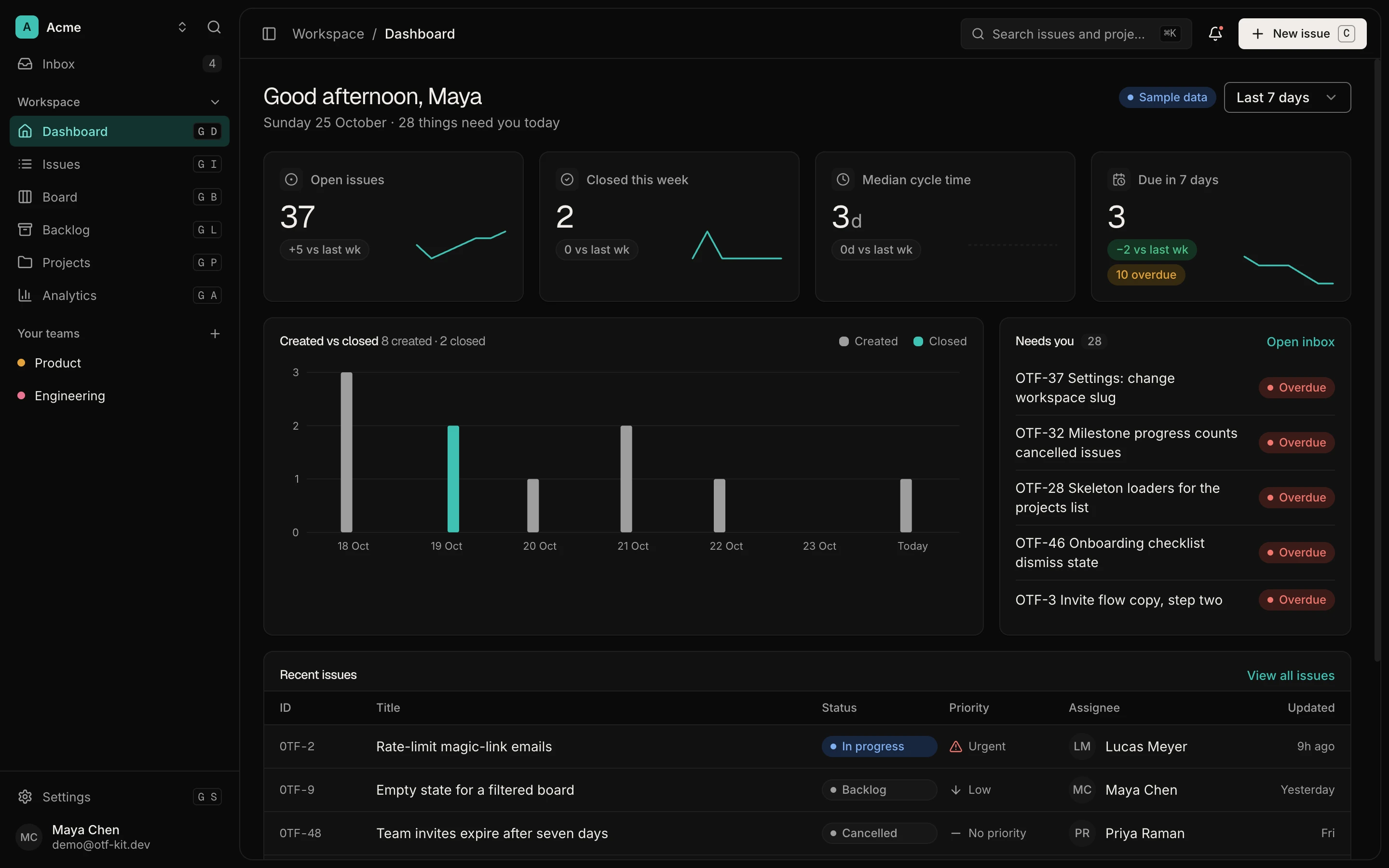
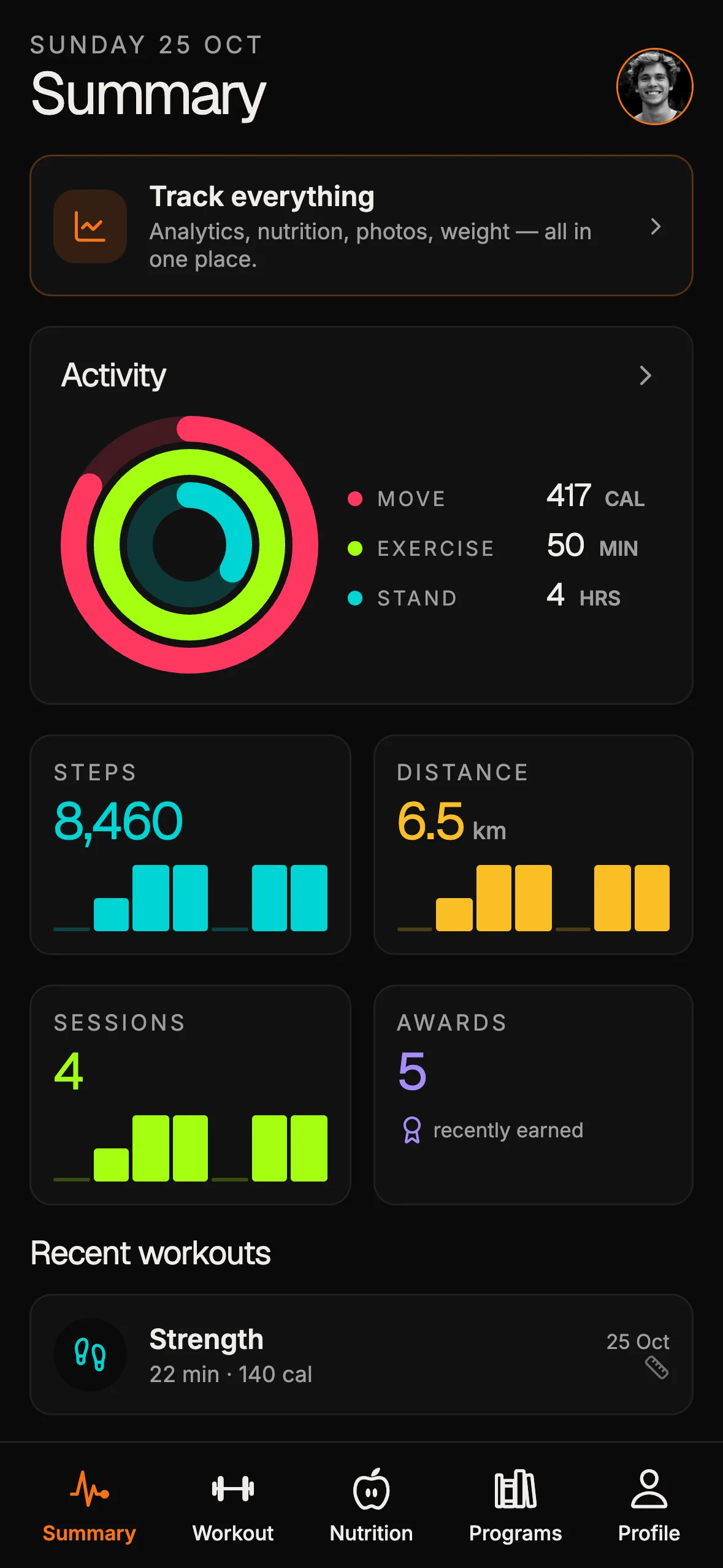
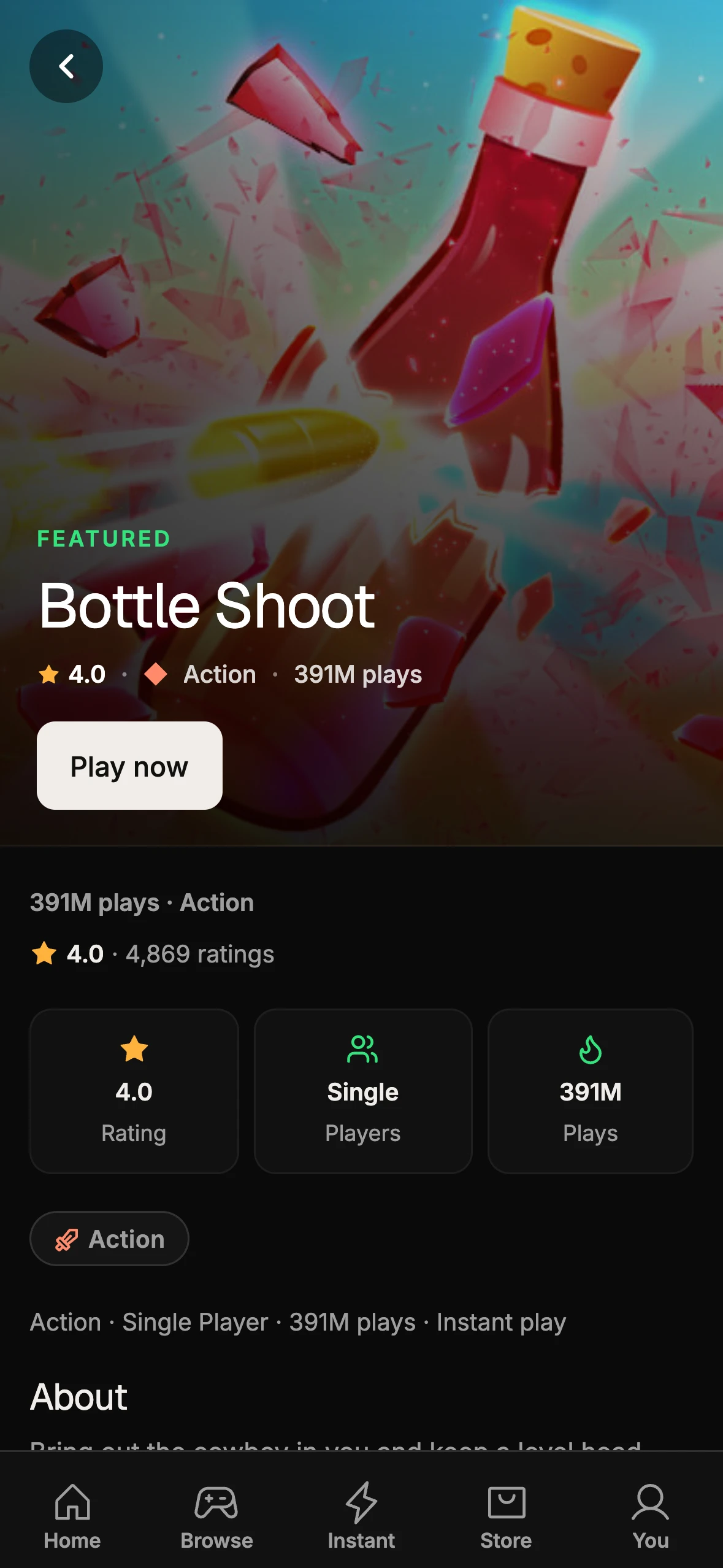
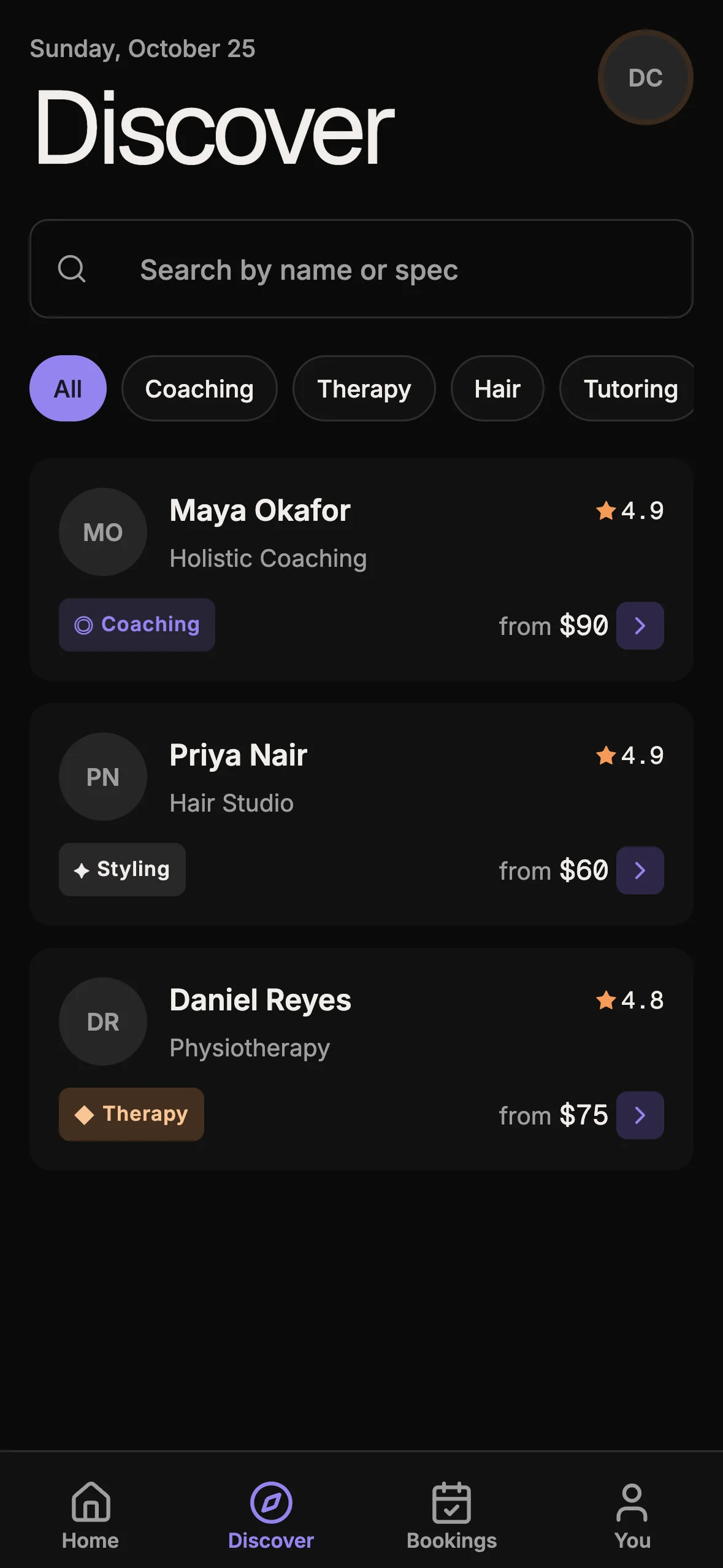
Imagine you are about to spend $99 on a SaaS dashboard starter — a hypothetical, but one every buyer of kits will recognize. The site shows a dozen glossy screens: perfect spacing, typo-free copy, a working billing flow, a settings UI that feels native. The problem is that these images tell you exactly nothing about the real experience.
Screenshots are selectively staged. Common failure modes behind pretty pixels:
- The demo modal in the screenshot does not exist in the codebase
- A navigation drawer works in Chrome while mobile Safari gets a broken sheet
- The "add user" button is static, or needs five more config files before it does anything
- There is no real auth — the "profile" screen is disconnected from anything persistent
You cannot diff a screenshot. You cannot click it. The gap between a mock and a working, shippable app is orders of magnitude — and the more you pay, the more painful the bait-and-switch becomes.
A screenshot is an artist's rendering. Shipping production code is construction, and pixels alone are not proof.
The only honest artifact is a live instance
The try-before-you-buy standard is simple: the seller points you to a running, public, clickable product, not just pixels. Open the link. Test the flows. Sign up, log in, trigger errors, run the billing path. If something breaks, you know before you pay.
Every OTF full-stack kit ships an always-on live demo. For the SaaS kit, it is the live OTF SaaS dashboard, which resolves today to the real product. It is not mocked — it is the actual artifact, running on the same stack, built from the same code you would ship. There is no demo branch, no cherry-picked feature set.
The consequence of selling this way is that every broken edge, delay, or jank is public. If sign-up hangs, buyers see it. If auth is brittle, it is front and center. If the kit takes a minute to load, that is the story. Anything less than a live instance is hiding.
12 production screens. Login and database wired.
The SaaS Dashboard Kit includes login, a database, and a working dashboard. Live demo at saas.otf-kit.dev.
Real product, not a locked museum
The difference is not just ethical — it is functional. A running demo lets you interrogate everything between the UI and the backend. You can inspect the network tab to see real API responses, try alternate browsers to catch responsive bugs, check keyboard navigation live, and measure load time yourself.
That last point deserves emphasis for anyone shipping billing: a real checkout path means a real payments integration, with the session and webhook mechanics that Stripe's own Checkout documentation describes — one-time and subscription sessions, real payment methods, real redirect-and-confirm flows. A screenshot of a pricing page proves none of that. A live instance where you can walk the checkout proves all of it.
A static screenshot lets a seller stage perfection. A deployed, live URL forces every promise to be real, under friction, at production speed.
Common template-shop tricks (and what they hide)
Most template shops operate off carefully staged pixel proof. Some go further with so-called interactive previews — but even these fall back to marketing tricks:
- Browser-based sandboxes are fine for UI fragments, but they rarely ship a full backend, authentication, or payments wiring. You get the facade, not the product.
- Read-only UI tours offer fake interactivity: no real data mutation, no persistence, no external integrations.
- Cherry-picked GIFs show a perfectly executed happy path and skip the integration pain the repo actually hides.
- Demo branches are often missing core pages or ship different UX than the main product.
Every one of these can make a static template look shippable. Most are not. The hard thing to build is not a pretty UI — it is a working product that survives friction: mobile viewports, dark mode, bad networks, actual logins, new users, edge APIs. A real URL cannot hide what breaks.
The cost of fake proof is paid by the buyer
When templates oversell with staged screenshots, the buyer pays three times over. Time first: every "ten-minute" starter that turns into a multi-day refactor, chasing down missing flows, half-done components, or unstyled forms. Money second: the sticker price is nothing next to the developer hours sunk after finding the gaps. Trust third: buy two bad templates and you will never trust another shop's claim without code-level proof, and repeat buyers drop to near zero.
This is why the checklist in our ship AI MVP to production guide starts from a running deployment rather than a component gallery — the deployment is the thing you are actually buying. The same logic underlies our Supabase RLS production checklist: row-level security either holds against a live database or it does not, and only a live instance lets you verify that before committing. And when the live instance surfaces crashes instead of hiding them, our Sentry error-tracking guide is the follow-through that keeps the public proof clean.
Why clickable proof should be the standard
Shipping a public live instance is not a marketing gimmick; it is quality control in public. Every broken flow is caught before the buyer ever lands. Every UI awkwardness is exposed to the market, not hidden behind paid access or careful curation.
It also exerts pressure upstream. If a template actually runs live, developers must guarantee working deploy pipelines, ship production-ready auth and payments rather than stubs, and commit to a full tested round trip — not just a component gallery.
For buyers, the cost of faking is too high to sustain. You can inspect the running bundle, catch half-built feature flags, spot placeholder data, and measure load time directly. What you see is what you get, in your browser, right now.
For sellers, the temptation to ship half a product and hide the rest goes away. Yield to this and you win trust, grow repeat business, and raise the entire market's bar.
The durable layer: public proof, not promises
Pixels collapse under pressure. A clickable, public demo does not. The template market will always have churn — new shops selling prettier galleries, throwing more animation at stagnant codebases. The only thing that survives is the proof you can touch.
Our contract is simple and repeatable: what ships to production, what runs at the public URL, and what you copy into your stack are exactly the same. One path, no side doors.
The market should demand that from every template seller. And in a few years, only the sellers who can afford to run their own code live will survive.
If you want to trust the next starter or template you buy, verify it is running, public, and complete. Stop reading the sales pixels. Click the proof.
Sources
- OTF SaaS Dashboard demo — on 9 October 2026, the public demo redirected to sign-in and its “Try the demo” action returned HTTP 500, so I could not verify dashboard or billing flows.
- Stripe Checkout documentation — Checkout Sessions mechanics for one-time and subscription payments; what a real billing path must implement.
Every OTF kit ships with its live demo attached: browse the kits.
Ship the product, not the setup.
- 12 production screens — auth, team, analytics, and settings
- Login and a real database are wired in
- AI configs pre-tuned so your agent extends instead of regenerates
Ship your first screen tonight — free starter in your inbox
The quickstart, the SDK repo and the live kit demos, on this screen and in your inbox.
No spam. Unsubscribe any time.