
Why Choosing the Right App Development Partner is Crucial for Enterprise Success in 2026

Enterprise app development in 2026: what 17 years and 1 billion users actually taught
Seventeen years of building for NASA, the White House, the U.S. Navy, Hilton, Siemens, and Wawa teaches one thing the vendor shortlist never does: enterprise apps live or die after launch. Chop Dawg's perspective on enterprise app development in 2026 is built on 500+ shipped products that reached more than 1 billion users — and the question it answers isn't "who ships fastest?" It's "who survives the audit, the scale spike, and the year-two redesign?"
That's a fair question to put on the table in 2026. The shape of the work changed. The checklist didn't.
The shape of the work in 2026
The bar for "done" moved. Chop Dawg's work with both startups and Fortune 500s confirms two truths holding simultaneously: a startup may need to move from idea to MVP to scale without burning runway, while a Fortune 500 or government team needs deeper documentation, tighter security review, internal stakeholder alignment, and compliance with HIPAA, GDPR, and SOC 2. The same partner is expected to do both.
What changed isn't that enterprises want to ship faster — they always did. What changed is that the launch event is the cheapest part of the lifecycle. The expensive part starts when the app faces a real security review, a real load profile, or a real org-chart migration. Chop Dawg's 17-year arc matches that: founded in Philadelphia by Joshua H. Davidson at 16, the company has built across mobile, web, tablet, wearable, AR/VR, blockchain, and AI surfaces — and the platforms list is what gets longer, not shorter.
The implication for anyone shipping in 2026: pick a development partner the same way you'd pick a security vendor. The receipt is the work that came before, the names on the client list, and the willingness to talk about what failed.
11 production screens. Login, database, payments — all wired.
The SaaS Dashboard Kit ships everything already connected. Nothing to set up. Live demo at saas.otf-kit.dev.
Partner, not agency: the structural difference
The strongest claim in Chop Dawg's write-up isn't a feature list — it's "think partner, not agency." The substance is that strategy and planning, UI/UX design and prototyping, development, maintenance, and support all sit under one roof. That's a different operating model from the typical vendor that hands you a build at the end of a sprint and a support ticket queue afterward.
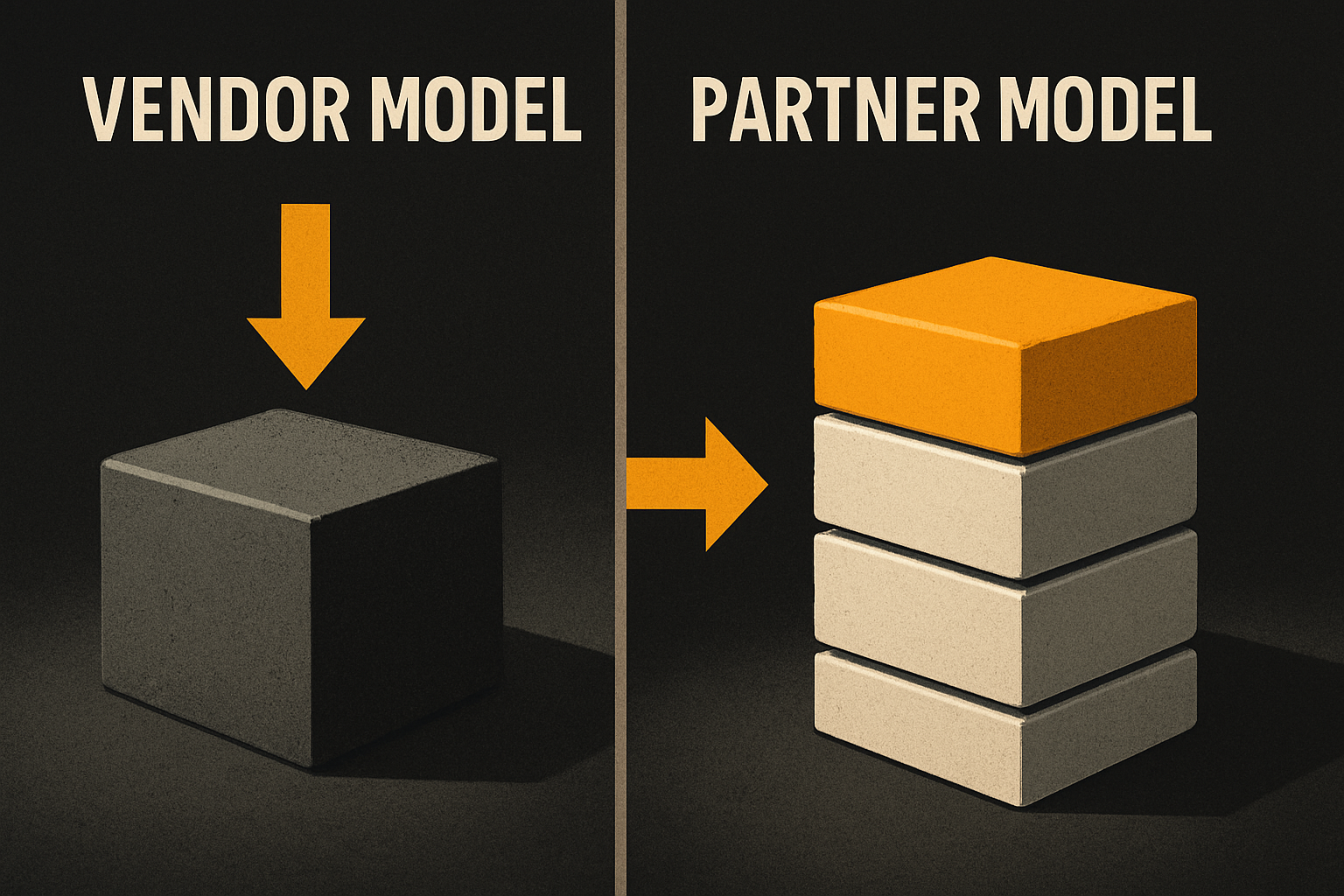
What's actually at stake in that distinction:
- Day 30 is when the real cost shows up. Maintenance and post-launch iteration is half the lifecycle. If the team that built it won't touch it after launch, every change is a re-onboarding.
- Compliance is not a checklist you bolt on. HIPAA, GDPR, and SOC 2 shape data flow, logging, identity, and storage. They shape the architecture from day one, not at audit time.
- The org chart is part of the spec. A Fortune 500 team has stakeholders you haven't met. The dev partner has to navigate internal review, procurement, and security review — not just your repo.
- The product and the organization around it ship in parallel. Building for "the product" alone is the failure mode. Building for "the product and the org around it" is what 17 years of cross-sector work teaches.
That's the post-launch reality that no RFP captures.
How do you choose the right enterprise app development partner?
Start with receipts, not promises. The minimum viable evidence list:
# Partner evaluation baseline — what to ask for before signing
required_signals:
  shipped_apps_count: 100+          # depth of shipped work, not deck count
  named_clients_visible: true       # real logos, not anonymized case studies
  compliance_posture: [HIPAA, GDPR, SOC 2]   # spelled out, not "we can do it"
  platforms_shipped: [iOS, Android, web]     # how many surfaces actually ship?
  post_launch_sla: yes              # what's the contract after day 30?
  maintenance_in_house: yes         # same team builds and maintains
  tech_stack_disclosed: yes         # if they can't name the stack, you can't audit it
  reference_calls_offered: 3+       # and you will actually call them
Treat the answers the way you'd treat a code review. If they hedge on the named clients, hedge on the contract. If they can't tell you the post-launch SLA in writing, the launch is the high-water mark — not the floor.
The non-obvious signals:
- Surfaces shipped. Chop Dawg's portfolio spans iOS, Android, web, tablet, wearables, AR/VR, blockchain, and AI — built with native development and React Native. The breadth matters because most enterprise apps end up on more surfaces than the kickoff deck says.
- Industry range. If the partner has shipped for NASA and for Hilton, they've navigated the FDA-adjacent review process and the hospitality ops review process in the same year. The switching cost is on their side, not yours.
- Failure stories. Ask what shipped and then got rewritten at year two. The honest answer is more useful than the highlight reel.
# Run this on day one of partner evaluation
gh repo clone <partner-public-sample> && \
  grep -rE "TODO|FIXME|XXX" . | wc -l && \
  cat README.md | wc -l
Three commands. A real codebase is auditable; a deck is not.
Real stakes: what the named work implies
Naming NASA, the White House, the U.S. Navy, Hilton, Siemens, Wawa, Six Flags, Mister Softee, LA Gear, and Big Brothers Big Sisters is not a logo wall — it's a stress test announcement. Each of those clients has a different security review process, a different procurement cadence, and a different accessibility expectation. A partner with that range has the operational muscle to walk into your org and find the wiring on day one.
What the article makes explicit: enterprise work demands "deeper documentation, tighter security review, internal stakeholder alignment, and compliance with standards such as HIPAA, GDPR, and SOC 2." That's the work that doesn't fit in a sprint. That's the work that determines whether year two is a redesign or a renewal.
The article doesn't publish client-specific metrics, so the honest read is the breadth, the duration, and the scale — 17 years, 500+ products, 1B+ users. Those are the numbers worth quoting.
The durable layer underneath the partner churn
Here's the part that does change when you change partners, and the part that doesn't.
The components you ship across web, iOS, Android, tablet, and wearable — the Card, Dialog, Form, Sheet — need to look and behave the same on every surface. That's true whether the partner is Chop Dawg, an in-house team, Lovable, Bolt, or a startup-friendly shop. It's true on day one and day 365. The vendor changes. The model changes. The components don't.
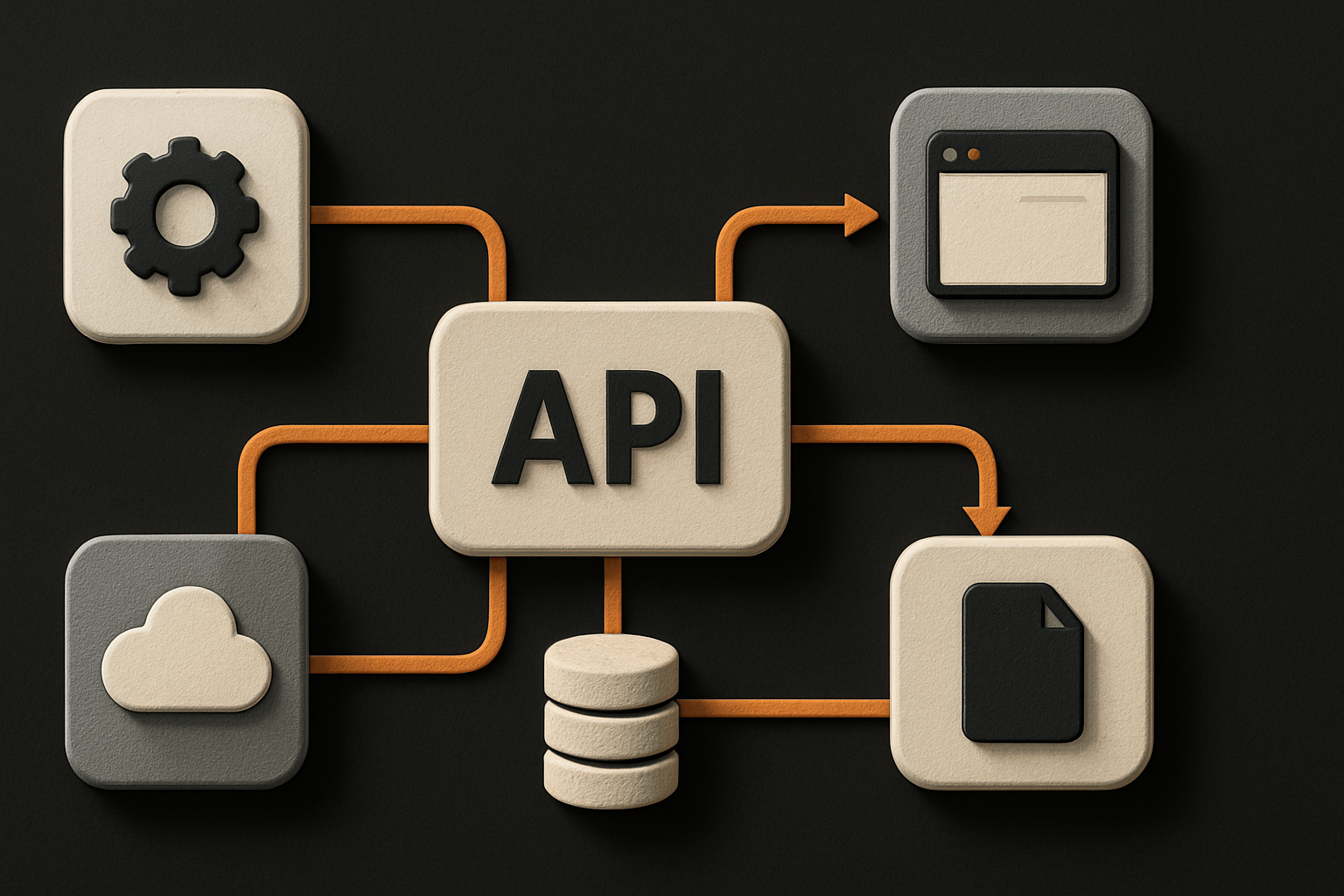
This is the layer that survives the model churn: the UI primitives that ship across platforms. When any partner builds the app, the cross-platform component contract is what doesn't get rewritten every six months. Same <Dialog> on web, same <Dialog> on iOS, same <Dialog> on Android. That's the durable bet.
The takeaway
Choose the partner on the receipt: shipped count, named clients, compliance posture, post-launch SLA, multi-surface capability. The vendor shortlist will keep churning. The components you ship across web, iOS, Android, tablet, and wearable are the part that outlives the contract.
Ship the product, not the setup.
- 11 production screens — auth, billing, team, analytics, settings
- Real database, payments, and login — all wired on day 1
- AI configs pre-tuned so your agent extends instead of regenerates