
Cursor expands to London with 200 hires amid $60B SpaceX acquisition bid

Cursor AI code editor London HQ launch marks major EMEA expansion amid SpaceX $60B acquisition offer
Cursor’s AI-native code editor London HQ launch is more than just a new office; it is Cursor’s statement of intent in the global enterprise developer market. The decision comes on the heels of EMEA revenue tripling quarter-on-quarter, with 200 planned hires to fuel regional demand. Simultaneously, SpaceX has inked a $60 billion acquisition deal with Cursor’s parent company, Anysphere—a valuation that puts Cursor at the heart of the AI and enterprise software conversation. Cursor’s surge from a 2022 MIT-founded startup to serving over 67% of the Fortune 500 and recording $2 billion ARR is unprecedented. This post breaks down how Cursor’s product is changing enterprise development, why London matters, what their metrics actually mean, and how the SpaceX offer reframes AI’s role across sectors.
What is Cursor and how does its AI-native code editor change enterprise development?
Cursor is an AI-native code editor engineered for the enterprise: a ground-up fork of Visual Studio Code rebuilt by four MIT graduates in 2022—Michael Truell, Sualeh Asif, Aman Sanger, and Arvid Lunnemark—for one job: embedding AI directly into the development feedback loop. Where other tools bolt on autocomplete as a plugin, Cursor weaves AI into every code generation, revision, and review interaction. It’s not chasing another Copilot moment; it’s rewriting the expectations for scale and depth.
The key differentiator is scope. GitHub Copilot and similar AI-powered autocompletes aim at single-line or single-file assists. Cursor’s focus is the opposite: it traverses complex, multi-file codebases and can execute cross-cutting changes in minutes across hundreds of files. For enterprises, this means engineering teams move from staring at legacy debt for weeks to high-confidence refactors or migrations in hours.
The AI learns from each developer’s habits and past code decisions, shortening the path to context-aware recommendations and entire workflow automation. The result is not just assistive code; it’s an evolving, personalized productivity layer that sits on top of codebases—something conventional IDEs and bolt-on plugins can’t replicate at scale.
Cursor’s enterprise traction validates this model: over 67% of Fortune 500 companies use Cursor, including teams at British Airways, BP, Deliveroo, Nokia, and Sanofi. The editor processes 150 million lines of enterprise code daily, proving that this isn’t a proof-of-concept—it’s a production workhorse.
Takeaway: Cursor is not another LLM plugin chasing hype. Its core product is a fundamental architectural rethinking—embedding AI into the core of codebase-scale development workflows, built for the real complexity of the enterprise.
Why is Cursor opening a London HQ and what does the EMEA hiring plan entail?
Cursor’s London HQ move is about one thing: doubling down on explosive EMEA growth. In 2026, Cursor’s European revenue tripled quarter-on-quarter, spotlighting a surge in demand from enterprise software buyers across the region. A physical presence in London gives Cursor a strategic foothold at the heart of Europe’s technology market, with direct access to institutional clients, larger enterprise deals, and talent pools distinct from the US.
The plan: hire 200 staff across technical, sales, and customer success roles in EMEA, with London as both the operational and symbolic hub. These hires are not purely developer roles—Cursor is scaling sales engineering, enterprise support, and regional go-to-market teams, reflecting how AI-native dev tooling is now boardroom and compliance territory for large European enterprises. Companies like BP, British Airways, and Nokia already run Cursor at scale, creating word-of-mouth that’s driving further uptake.
The move also signals a play for global leadership. Europe’s enterprise software market is fragmented but massive, and post-2026, buying cycles for US-based tools are shortening. With high-touch regional teams, Cursor can take deals from pilot to deployment with fewer barriers, while iterating on EMEA-specific product features, compliance needs, and multi-language support.
Takeaway: The London HQ and 200 new hires are Cursor’s bet that EMEA is now the fastest-growing battleground for AI-native coding tools—and that being physically close to European tech buyers and decision makers is a force multiplier for revenue.
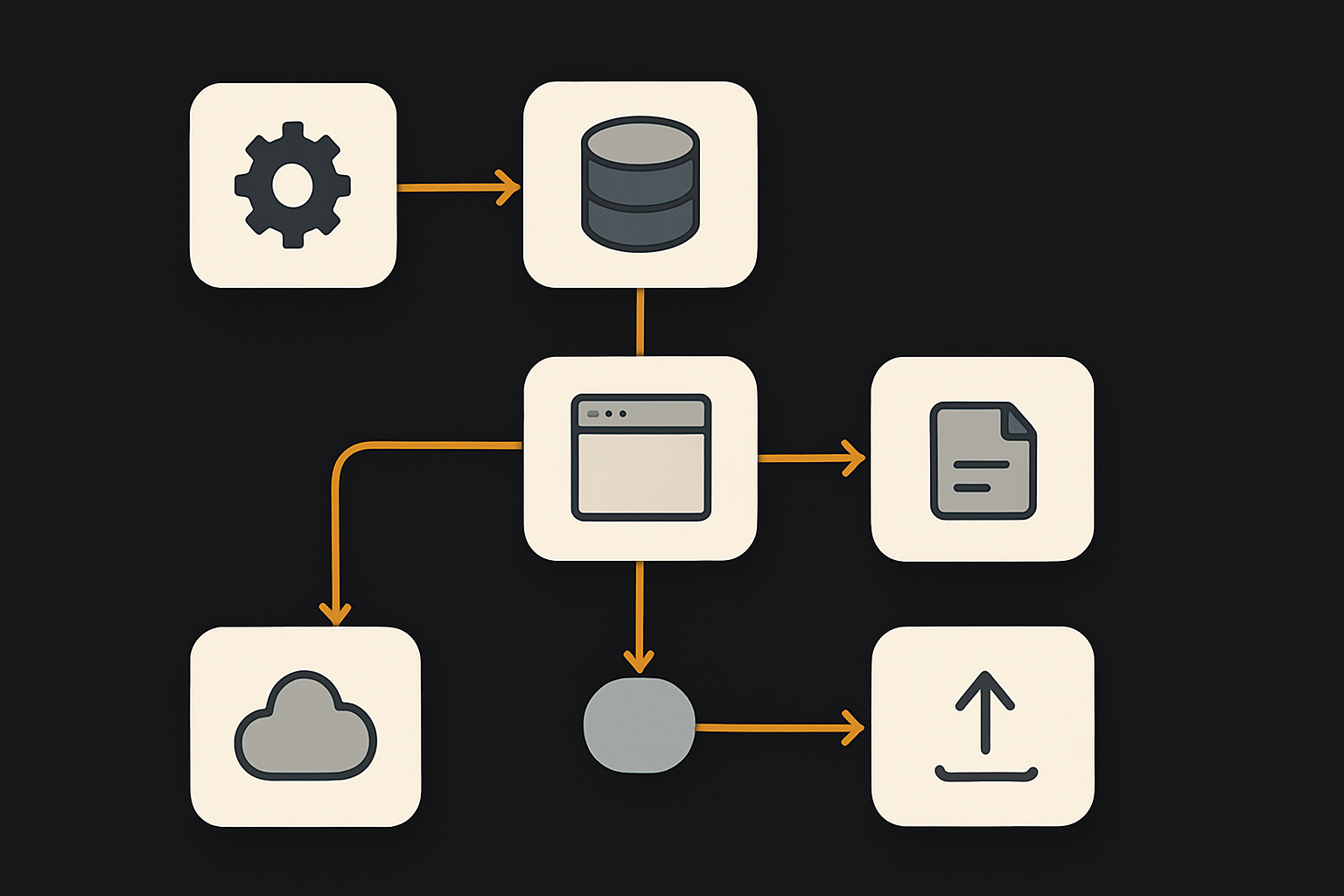
11 production screens. Auth, DB, Stripe — all wired.
The SaaS Dashboard Kit ships everything already connected. No Vercel config, no Supabase account. Live demo at saas.otf-kit.dev.
How does Cursor’s growth and revenue milestone compare to B2B software industry benchmarks?
Cursor’s growth curve rewrites the B2B playbook. According to Tech Funding News, Cursor hit $100 million in ARR by January 2025, scaled to $500 million by June, passed $1 billion by November, and reached $2 billion by February 2026—all in less than four years since founding. By comparison, Slack needed five years to reach its first billion in ARR; Zoom took nine.
| Company | Time to $1B ARR | Current (2026) ARR |
|---|---|---|
| Cursor | <4 years | $2B (Feb '26), $6B projected by year-end |
| Slack | 5 years | - |
| Zoom | 9 years | - |
Cursor isn’t only large in revenue but in reach. It serves 50,000+ businesses and 67% of Fortune 500 companies. Cursor writes 150 million lines of enterprise code daily—an operational footprint few SaaS platforms can claim.
cursor-growth-metrics.ts:
const growthTimeline = [
  { date: '2025-01', arr: 100_000_000 },
  { date: '2025-06', arr: 500_000_000 },
  { date: '2025-11', arr: 1_000_000_000 },
  { date: '2026-02', arr: 2_000_000_000 },
]
Cursor’s pace signals two things: First, AI-native developer platforms are a market category—no longer a niche. Second, AI can expand into enterprise workflows (compliance-heavy, high-stakes, multi-team) in a way B2B SaaS has rarely achieved before.
Takeaway: Cursor’s growth is not only historically fast; it’s proof that enterprise demand for end-to-end AI-native development is crossing from experimental to default.
What is the significance of the SpaceX $60 billion acquisition deal for Cursor’s future?
In April 2026, SpaceX struck a deal granting it the right to acquire Cursor’s parent, Anysphere, for $60 billion before year-end—or pay $10 billion for an ongoing collaboration. The $60B valuation isn’t just a headline; it is industry re-pricing for AI-native development platforms that actually change enterprise productivity. For context, few software companies in history have drawn such a valuation so early, particularly with less than four years in the wild.
For Cursor—whose DNA is AI and code automation—SpaceX brings a new locus of opportunity. Cursor isn’t just selling to CIOs; it now sits at the intersection of aerospace engineering, global enterprise software, and next-generation AI infrastructure. SpaceX as an acquirer reshapes the roadmap: think hyper-scale code generation for autonomous systems, safety-critical code review, and deep integrations with the software stacks underpinning industrial automation, rockets, and satellite networks.
The deal would also create new use. Cursor gains not only SpaceX’s distribution muscle but also insulation: long-term collaboration funding or acquisition means Cursor’s AI/enterprise stack can prioritize scale over quarter-by-quarter SaaS churn. Partnerships and integrations across SpaceX, Tesla, and perhaps Starlink’s developer APIs are plausible next steps.
Takeaway: The SpaceX $60B acquisition right is a validation and an accelerant. It cements Cursor as a strategic keystone in the broader AI and aerospace ecosystem, with both funding certainty and directional alignment on high-stakes innovation.
How can developers use Cursor today for enterprise-level AI coding workflows?
Developers can use Cursor immediately as a full-stack, AI-native replacement for legacy IDEs—and the onboarding is pointedly familiar, especially for teams previously standardized on VS Code. Installing Cursor lets you generate entire modules and refactor codebases, not just autocomplete a function. Cursor’s AI agent moves from reading and suggesting lines to parsing intentions and reworking hundreds of files at once.
Onboarding is simplified:
# Pseudocode for onboarding with Cursor
curl -L  | bash      # download + install
cursor login                                               # authenticate (enterprise SSO available)
cursor connect <repo-url>                                  # link your codebase

# AI-driven refactor or code review
cursor ai refactor --directory ./src --strategy 'extract service layer'
Integration points are rich: Cursor plugs into existing git workflows, supports enterprise SSO, and offers workspace-level collaboration. Enterprise teams (like the BP engineers named in the Tech Funding News article) use Cursor to modernize legacy codebases at scale, reducing refactor projects from months to days and audit windows from weeks to hours.
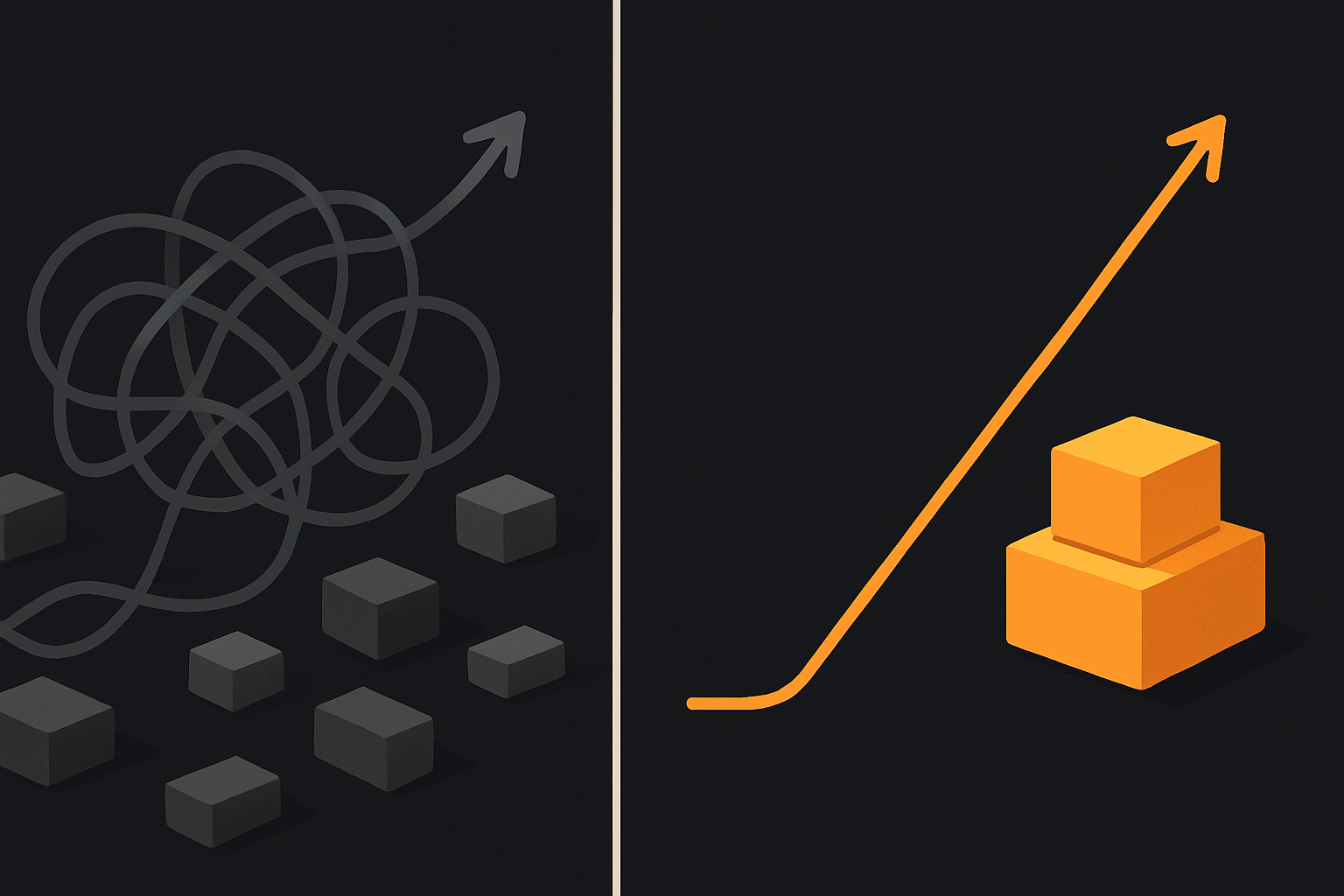
For teams stuck on plugin soup or IDEs not architected for AI, the difference is tangible: less “autocomplete hell,” more repeated, reliable automation across sprawling codebases.
Takeaway: You can deploy Cursor today—no need to wait for the next acquisition. The model works at individual, team, and Fortune 500 scale, with enterprise onboarding paths proven by the likes of BP and Nokia.
What this enables: enterprise AI-native tooling as the new default
Cursor’s London HQ launch is the sharp edge of a much larger wedge—enterprise adoption of AI-native development tools at global scale. In four years, Cursor has moved from “promising VS Code fork” to enabling the majority of Fortune 500 engineering teams, tripling EMEA revenue, and drawing industry-defining acquisition offers from SpaceX.
For developers and CIOs, the playbook is changing: AI is not a plugin. It’s the substrate of the next software tools, with direct impact on how teams ship, refactor, and secure their codebases. Cursor’s story is a bellwether—not just for software vendors, but for every enterprise betting its future on the velocity and reliability of its engineers.
Watch for what happens this year: If the SpaceX offer closes, expect the line between aerospace, AI, and enterprise developer tooling to get even blurrier. The London HQ and EMEA ramp show this shift is not contained to Silicon Valley, but happening anywhere enterprise engineering happens at scale.
Ship the product, not the setup.
- 11 production screens — auth, billing, team, analytics, settings
- Real Postgres + Stripe + Better Auth, all wired on day 1
- CLAUDE.md pre-tuned so your agent extends instead of regenerates