AI coding guides & resources
Engineering decisions, tutorials, and video guides from the OTF team.

Vercel Sandbox storage is now 64 GB: size agent workspaces for large repos
Vercel Sandbox jumped from 32 GB to 64 GB. Update agent disk budgets for large repos, installs, and scratch writes.
6 min read
React Native Paper owns Material components; you still own the product kit
Keep React Native Paper for Material UI on RN. Move to an owned kit when you need screens, schema, auth, billing, and agent-editable delivery.
7 min read
Ant Design owns enterprise Form and Table depth; kits own SaaS and native
Stay on Ant Design for Form/Table admin depth; consider an owned SaaS kit for consumer UI, web+native, authentication, and a database, with billing added separately if needed.
7 min read
Radix primitives give accessibility; you still own the designed system
Radix Primitives ship accessible unstyled React parts. Decide when your tokens are enough versus a designed kit spine agents can extend.
8 min read
AI SDK harness auth: keep native subscriptions on the host boundary
Vercel’s Sept 14 harness auth change: pick direct, auto, or ai-gateway, keep credentials on the host, and stop stuffing keys into sandboxes.
7 min read
NativeWind is Tailwind classes on React Native — components are still yours
NativeWind styles RN with utility classes. You still build every component — or pick a designed kit that already did.
7 min read
Tamagui is the cross-platform engine — you still choose who owns the design system
Tamagui answers shared styles across web and native. You still decide who owns designed components, themes, and the product kit on disk.
6 min read
OpenAI project API keys can expire: set max lifetime and rotate secrets
Use OpenAI's Sep 10 project API key expiration and org/project max lifetime, then rotate secrets out of agent-readable paths.
7 min read
Material UI stays web-first: keep it or move to an owned kit
Keep Material UI when the product is browser-only and Material Design fits. Leave when you need native parity, one component API, or a full-stack kit on disk.
8 min read
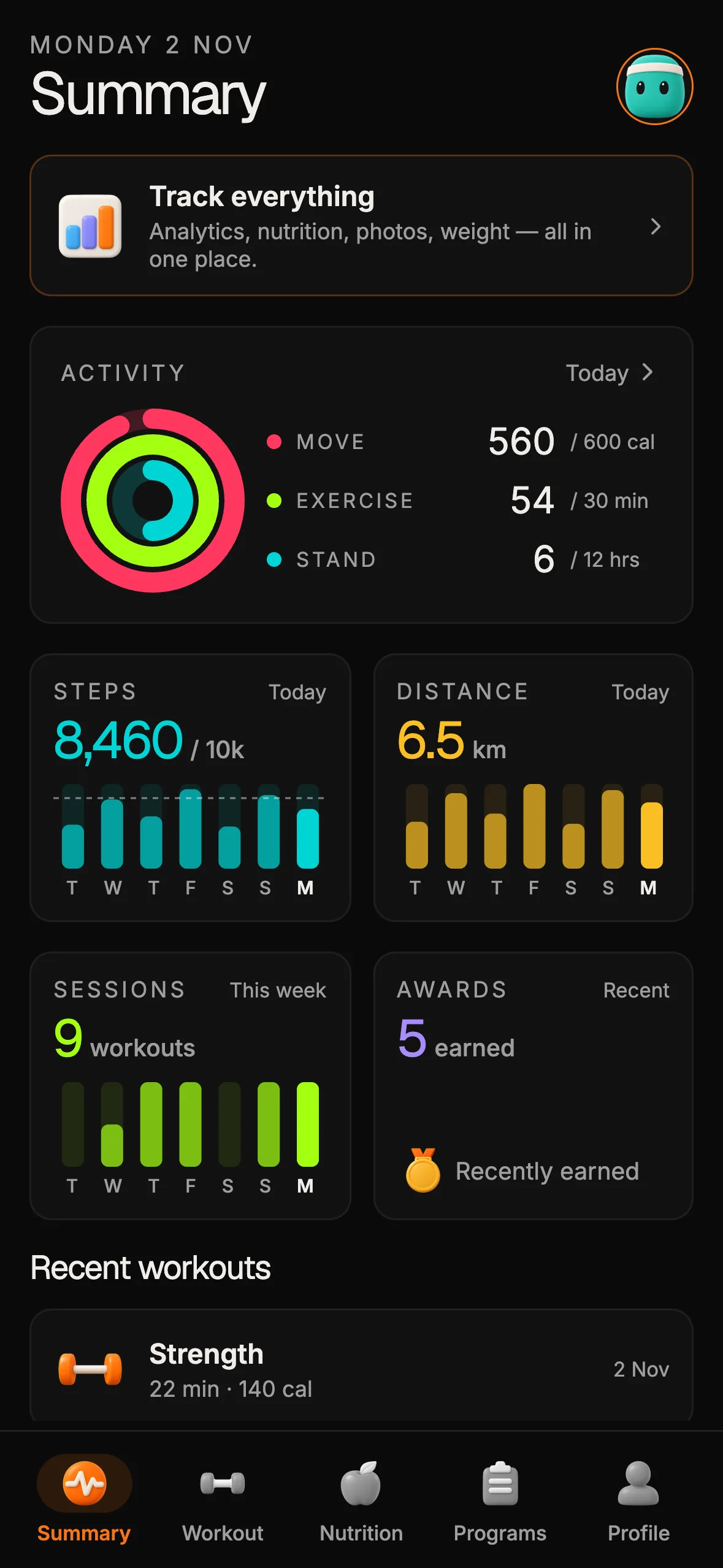
Fitness kit: screens, schema, and agent prompts after purchase
Buyer inventory after checkout: Fitness Kit ships 35 screens, 6 app tables, and 20+ agent prompts in one $99 monorepo you clone and extend.
10 min read
Vercel deployment protection is free: lock previews and production without the add-on
Vercel Authentication can now protect all deployments including production for free. Changelog Sep 9 — verify UI; docs may lag.
7 min read
How to build a SaaS app with AI from a day-1 owned monorepo
Build a SaaS app with AI from a day-1 owned monorepo: auth and schema foundations, then billing as the first product surface you add.
9 min read
Claude Code plugin eval: gate skills on delta before you merge
Use claude plugin eval WITH/WOUT delta and CI thresholds to prove a skill helps before you merge it into an owned kit repo.
6 min read
Chakra UI still wins for web-only React; switch when mobile parity matters
Stay on Chakra for web-only React with Emotion and style props; switch when you need web+native parity or a full-stack owned kit.
7 min read
Fake Claude Code installers: keep keys out of agent-readable paths
Anthropic Sept 2026: spoofed Claude Code installers stole AI keys. Install only from official channels; keep API keys out of agent-readable paths.
8 min read
OpenAI Agents on Vercel: own the Queue and Sandbox hosting seam
OpenAI runs the agent loop; Vercel hosts your app. Put webhook verify, Queue consumer, Sandbox reconnect, secrets, and failure modes in your product repo.
8 min read
OpenRouter residency and ZDR: split the base URL and retention controls
Split OpenRouter residency (us/eu base URLs + Guardrails) from ZDR retention. Ship the base URL map, fail-closed catalog, provider.zdr, and app logging.
10 min read
Cursor Projects: put the kit spine in the repo before you hand the coordinator the wheel
Cursor Projects fleets only help when the owned repo is the source of truth. Put CLAUDE.md, .cursorrules, schema, and deploy in place before the coordinator invents disposable layout.
10 min read
How to build a landing page with AI (owned templates path)
Build an owned landing page with AI: sections first, then CTA and light analytics, then agent docs. Keep editing in Cursor — not a throwaway generator page.
11 min read
How to build a booking system with AI (owned product path)
Day-1 path for an owned booking product: roles, availability, confirmations with Stripe hooks, then the agent loop — faster than Cal-only or a sandbox MVP.
8 min read
OpenRouter Fusion: escalate hard prompts to a panel; keep the policy in your repo
OpenRouter Fusion runs a multi-model panel and judge on hard prompts. Use selective escalation; skip latency-sensitive and CI paths; own the policy in git.
7 min read
OpenRouter hosted shell: any model gets a terminal; your product repo still owns the loop
OpenRouter's openrouter:shell gives any tool-calling model a hosted Linux terminal. Decide when to rent sandbox seconds vs keep execution in your owned repo.
8 min read
OpenAI Agents API: what you still own when the harness is hosted
Public-beta Agents API runs the Codex harness for you. Keep skills, MCP, schema, and deploy in your repo — and pick the sandbox that fits production.
8 min read
Lovable alternatives: when the MVP tool should not own your repo
Lovable alternatives differ on who hosts the preview and who holds the repo. Pick the artifact your agents keep editing.
7 min read