
Globant and Vercel Partner to change Enterprise AI with AI Pods

The headline move is small and worth saying out loud: the same AI process that built the app is the one that ships it. Globant and Vercel just collapsed the gap between "the agent wrote this" and "the agent shipped this" into minutes. For enterprise teams drowning in agentic proofs-of-concept that never make it past staging, that is the actual enable — not a fancier model, not a slicker IDE, but the boring, brutal missing piece: a button that takes you from idea to a live URL on Vercel before lunch.
Read the announcement once for the marketing and once for the engineering, and the second pass is the interesting one. AI Pods are agent-orchestrated service units that design, develop, and modernize digital products on Next.js, then deploy them directly to Vercel. The "record-time migration of legacy frontends" isn't a tagline — it's the consequence of removing the human handoff between code generation and production deployment. What used to be a multi-month procurement-and-deployment cycle becomes a same-week experience, with AI ROI visible immediately rather than at the next quarterly review.
This is the genuine innovation worth crediting. Most "agentic" offerings today stop at code generation and leave the deployment, security review, and rollout problem to the same humans who were already underwater. Globant and Vercel bet the other way: if the agent built it, the agent should ship it.
What AI Pods actually are
An AI Pod is not a single agent. It's a coordinated set of agents plus the platform surface to take a request end-to-end. The pod handles three jobs:
- Design and build. Produces a digital product on Next.js, ready to integrate AI from day one — not as a retrofit.
- Modernize. Takes legacy frontends and rebuilds them on current Vercel primitives, cutting ongoing maintenance costs.
- Ship. Returns a secure, live web address in minutes via One-Click Go-Live — from idea to a production-ready application without the friction of traditional deployment cycles.
The third point is the one enterprise CTOs should print out and tape to the wall. "Multi-month projects into same-week experiences" is not a speed claim — it's a structural change to how procurement, security review, and rollout line up. Globant describes itself as a company that turns "AI ambition into measurable business performance," and the pod is the first time the deployment half of that sentence has actually been solved at the platform level.
The bottleneck they actually fixed
Every enterprise engineering org knows the failure mode. An agent or an AI coding tool produces a working prototype. It demos well. It hits staging. Then it sits for six weeks waiting on a security review, three more weeks for a cloud account, two weeks for a domain, and another quarter for the rollout plan. By the time it's live, the model that wrote the code is two versions old and the prototype is irrelevant to the people it's meant to serve.
The Globant–Vercel play sidesteps this entirely. Same Vercel account, same security boundary, same CDN — the artifact the pod produces is already production-shaped. The classic "it works on my laptop, now someone please deploy it" handoff is removed from the loop. The promise is specific: "the same AI process that creates the solution also launches it," and the result is "a secure, live web address in minutes." That is a different object than a generated codebase. It is a deployed application.
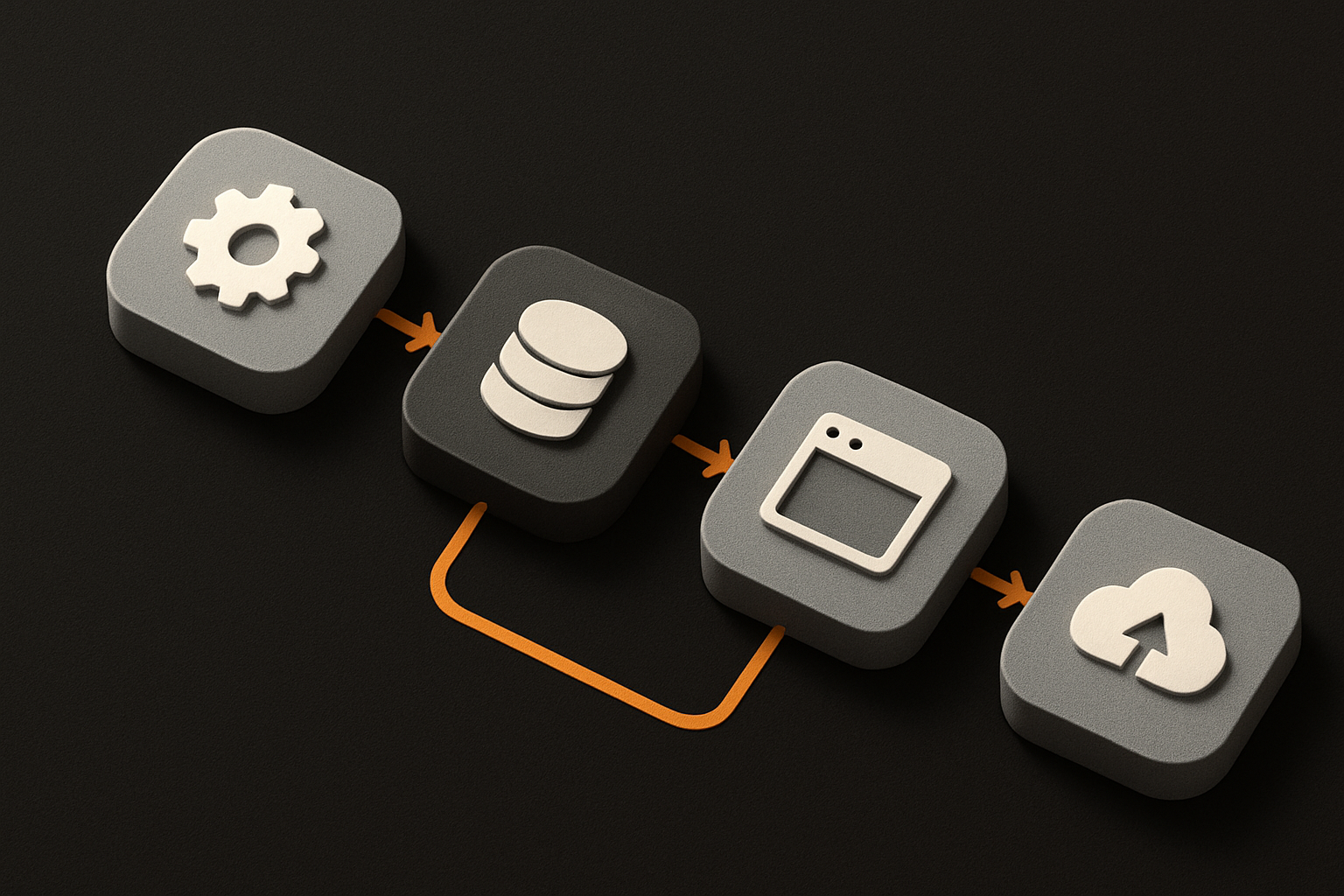
Same component. Web and mobile. One codebase.
The free, open-source SDK gives you components that work the same on web and mobile — one codebase. github.com/otf-kit/sdk
Legacy migration is the underrated win
The new line of AI Pods dedicated to modernizing older websites and applications is the part most coverage will underweight. Legacy frontend migration is a graveyard for AI tools. The codebases are weird, the conventions are forty decisions deep, and a single generated component that doesn't match the design system gets a PR rejected before lunch.
Globant's bet here is that the migration is actually a deployment problem in disguise. If you can rebuild the legacy frontend on Vercel with the agent that wrote it, you skip the entire "ship it to staging, wait for ops, wait for review, deploy" tail. Record-time isn't a benchmark number — it's the absence of that tail. The stated benefits line up cleanly: "faster, more reliable, and ready for AI" — three things legacy frontends almost never are simultaneously, and three things the AI Pods line is designed to deliver "in a fraction of the usual time."
The economics matter here. Reducing time-to-market and ongoing maintenance costs is the boring half of the pitch, and it's the half CFOs actually sign off on. Pair "same-week" with "lower maintenance tail" and you have a procurement story that doesn't depend on vibes.
How to actually use this today
For enterprise teams evaluating the offering, the practical path is concrete:
- Scope the pod. Pick the workload: greenfield on Vercel, legacy migration, or AI-feature add-on. AI Pods are specialized, so the scoping call matters more than the vendor pitch deck.
- Bring the existing systems. The pod integrates with your current enterprise stack — Vercel is the deployment substrate, not a rip-and-replace. Your auth, data, and identity layers stay where they are.
- Run a same-week pilot. The promise is multi-month → same-week. Treat that as the test. If the pilot doesn't ship in a week, you've learned something real about the workload.
- Track AI ROI in the pilot. "Visible almost immediately" means the pilot ships with metrics, not promises. That's the change that makes the next AI budget conversation easier.
For the engineering side, the integration is the part worth understanding:
# The pod deploys into your Vercel account — bring your own env
vercel link
vercel env pull

# Production-shaped by default: same CDN, same security boundary
vercel deploy --prod
That vercel deploy --prod is the line that used to take six weeks of approvals. It's the same command you'd run for any Vercel project — the pod just gets you to the point where running it is meaningful. The deployment surface didn't change; the path to reaching it did.
The durable layer underneath
The churn at the agent layer is real. The model that built your app this quarter will not be the model that built it next quarter. The pod that produced your frontend will be replaced by a faster, smarter one. That is the natural state of AI tooling in 2026.
What doesn't change is what the user touches. The component on the screen, the button that works the same way on web and native, the design system that holds together when three different agents touch the codebase in a quarter — that layer has to outlive the tools that produced it. That is the durable substrate under the pod, not a replacement for it. Use the pod to ship fast, and use a cross-platform component kit underneath so what you ship still looks coherent when the agent stack rotates underneath you.
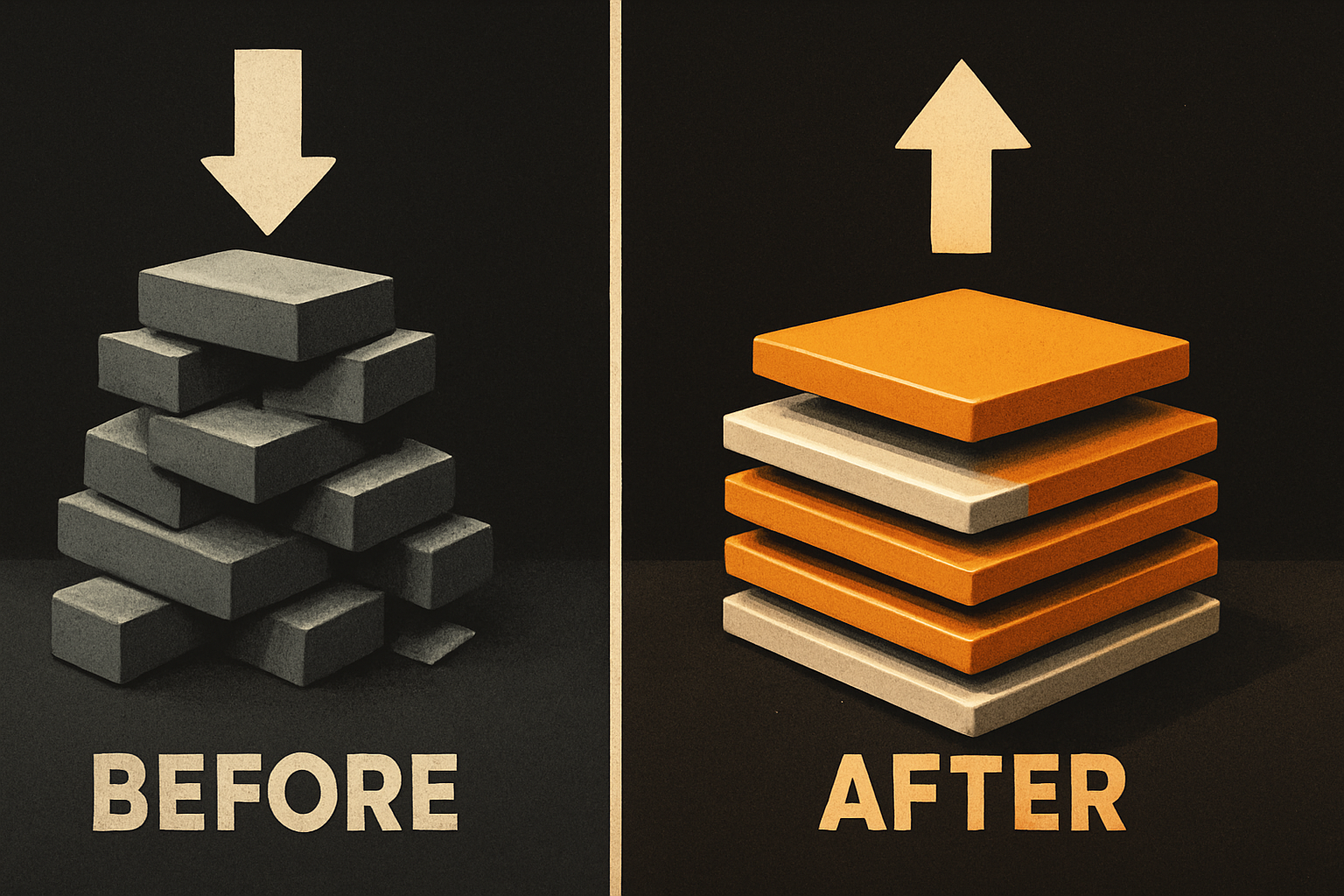
What this gets us
Three concrete shifts worth pulling out:
- Demo → live in one session. The artifact the pod produces is already production-shaped. The two-week "now someone please deploy it" gap disappears.
- Legacy migration becomes a sprint, not a program. AI Pods are specialized for modernization. For the right workload, "record-time" is the floor, not the ceiling.
- AI ROI stops being a slide. "Visible almost immediately" means the pilot ships with measurable outcomes. That's the change that makes the next AI budget conversation easier.
The honest read: this is the right move at the right time. The agentic layer has been waiting for the deployment layer to catch up. With Vercel underneath, it has.
Buy once, own the code. Ship with the agent you already use.
- Free, open-source SDK — same component, web and mobile
- Paid kits include AI configs + 40+ tested prompts — your agent reads the whole project
- $99/kit or $149 for everything. No subscription, no sandbox limit.