
Microsoft's Copilot Super App: One App to Rule Them All

Microsoft is putting its Copilot family behind a single door. Chat, GitHub Copilot, Cowork, and the autonomous Autopilots will all live in one front end, with the combined experience arriving this quarter.
The hook isn't the UI. It's the scale: 30 million paid Microsoft 365 Copilot seats, with weekly engagement approaching the levels of Outlook and Teams. That's the install base Microsoft is consolidating — and the operating model it is forcing every IT team to renegotiate. Satya Nadella confirmed the plan on Microsoft's fiscal Q4 2026 earnings call. Microsoft has not published a release date, pricing, or a full feature list. What it has published is a runway, and a clear signal that the Copilot brand is becoming one operating surface instead of four sibling products.
That is a non-trivial shift for a portfolio this large, and worth appraising on its own terms before the trade-offs land.
What "One Copilot" actually means
The internal project name is One Copilot. The four surfaces it folds together:
- Chat — the current Microsoft 365 Copilot conversational product.
- GitHub Copilot — the coding assistant, sold and shipped as its own product line.
- Cowork — the collaboration surface.
- Autopilots — Microsoft's autonomous multi-step agents.
Microsoft has not said whether the new app replaces the existing ones or sits alongside them. The stated goal is reducing context-switching between the four — not feature parity. The consolidation could also simplify access to a Microsoft AI lineup that, until now, has looked more like four sibling products than one platform.
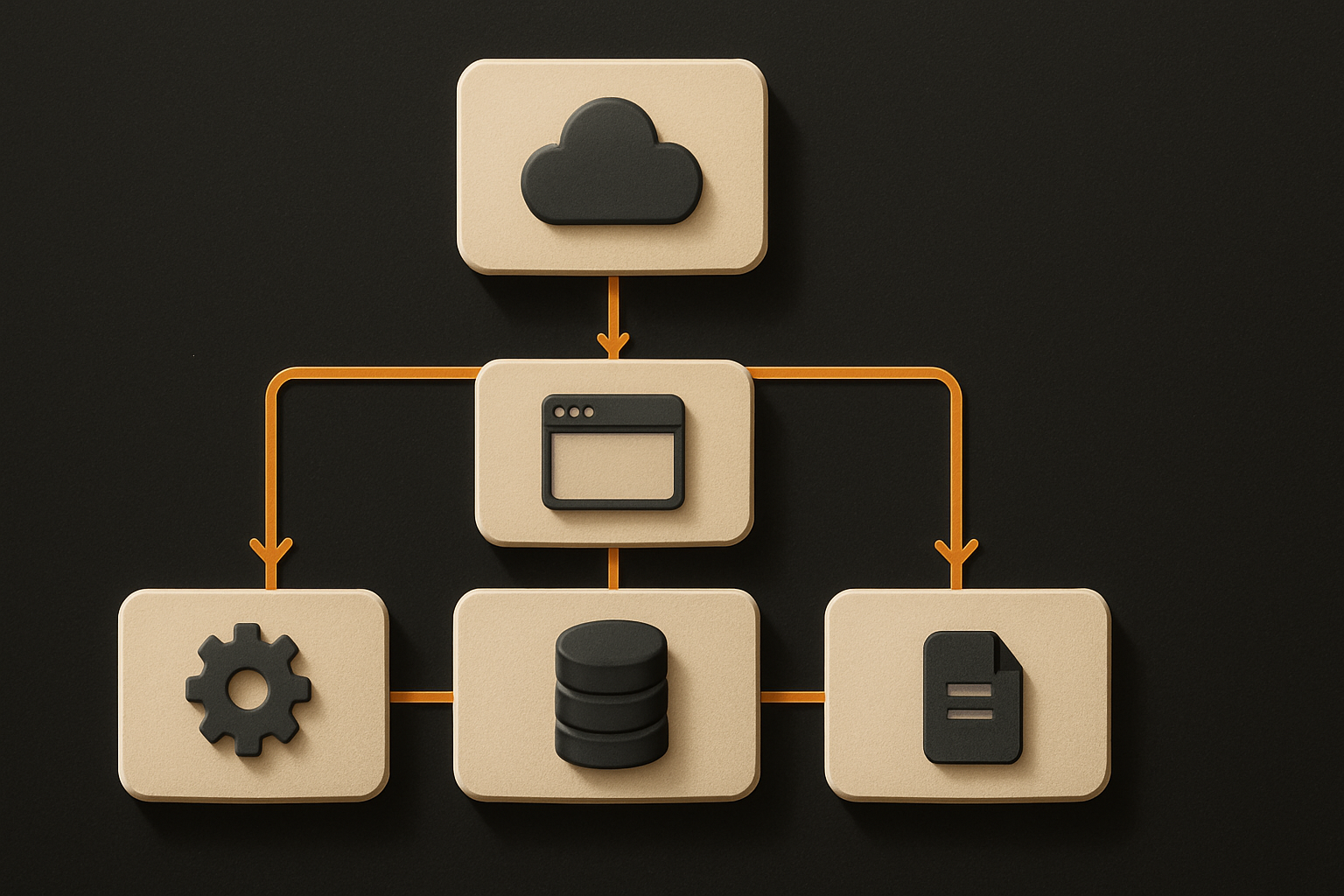
That ambiguity matters. Front ends can be merged in a quarter. What sits underneath them — licensing, permission scopes, audit trails, administrative controls — does not merge on Microsoft's schedule.
The scale Microsoft is consolidating
The reason this announcement lands differently from any other Copilot feature update is the install base. 30 million paid Microsoft 365 Copilot seats. Weekly engagement approaching the levels of Outlook and Teams — two products that are now treated as default infrastructure inside enterprises. When Microsoft's earnings call uses language like that, the implication is clear: Copilot is no longer a feature Microsoft is selling. It is the new front end for productivity itself.
That has a knock-on effect. The user population is no longer the small set of power users running early betas. It is the same population that lives in Outlook every morning. The combined experience arriving this quarter is being built for an audience that does not care that four back-end products exist — and will not tolerate learning that they do.
Same component. Web and mobile. One codebase.
The free, open-source SDK gives you components that work the same on web and mobile — one codebase. github.com/otf-kit/sdk
The hard part: the back end does not auto-unify
Microsoft is upfront about what the new app does not automatically fix. The unified interface does not unify licensing, permission scopes, audit trails, or administrative controls across Microsoft 365 Copilot, GitHub Copilot, Cowork, and Autopilots. Each surface still owns its own SKU, its own scope model, its own log destination, and its own admin console today.
Microsoft will need to clarify how those controls work in the new app before enterprises can determine whether the super app reduces operational complexity or simply hides several separate governance problems behind one screen.
That sentence — "hides several separate governance problems behind one screen" — is the entire enterprise-readiness question in one line. A unified shell over four non-unified control planes is not simplification. It is a UX mask on top of four products that IT still has to administer separately.
The identity primitive that does matter
The most consequential new piece is Microsoft Entra Agent ID. It is designed to give autonomous agents:
- managed identities
- scoped access
- lifecycle controls
- inventory
- activity logging
These capabilities become increasingly important as organizations deploy more agents. If a team is going to ship agents alongside humans in the same chat thread, IT needs to answer: which agent did what, to which resource, on whose behalf? And that answer needs to land in Entra — not in a vendor-specific console that nobody indexes.
Agent ID is the part of the announcement that is genuinely forward-looking. The Copilot family has been a sprawling collection of sidecar products with their own permission models. Agent ID pulls the autonomous agents into the same identity fabric that already governs users — managed identities, scoped access, lifecycle, audit. That is what makes One Copilot plausible as more than a marketing shell.
// Baseline your current Copilot surface area before the super app lands.
// One row per surface; capture where licenses, scopes, and logs live today.
type CopilotSurface = "m365Copilot" | "githubCopilot" | "cowork" | "autopilots"

interface BaselineRow {
  surface: CopilotSurface
  licenseSku: string
  scopeModel: string
  auditSink: string
  adminConsole: string
}

const baseline: BaselineRow[] = [
  // fill these four rows before the unified app ships
]
// Diff this against whatever Microsoft publishes next quarter.
That baseline is your "before" picture. When Microsoft clarifies how governance works in the new app, you'll know exactly what changed — and what the auditors will now ask about.
How to actually use this today
There is no public super app binary to install. There are five concrete moves you can make this week:
- Inventory the Copilot surface area you already pay for. Pull every M365 Copilot seat, every GitHub Copilot seat, every Cowork license, every Autopilot in pilot. Note the SKU on each row. The super app will eventually need a unified license model; you need the floor today.
- Stand up Entra Agent ID in a non-production tenant. Microsoft has shipped the primitive. Run it through the normal identity rollout — dev tenant, prove create / scope / deprovision of a managed agent identity, then promote to a pilot environment.
- Map current agent permissions to Entra scopes. Every Autopilot in production today has implicit permissions via the invoking user. Capture those before they get promoted to an explicit, auditable agent identity — the implicit-to-explicit shift is where the audit questions will land.
- Locate the audit logs you rely on today. "User X deleted file Y" via Copilot currently lives in the M365 audit log. After the super app, those rows may move or split across the four surfaces. Note where they live now so you can detect drift later.
- Budget against current standalone SKUs. Do not wait on a super-app pricing announcement. The bundled price will not be lower than the sum of what you already pay — Microsoft's incentive points the other way, and your CFO will want a number before the announcement, not after.
What this enables for builders
The unsexy upside of One Copilot, if Microsoft delivers it cleanly, is composition. Today you can build an agent that writes a function and a separate agent that summarizes a meeting. After: an agent that writes the function, runs it against a dataset pulled from your last meeting, and ships the diff for review — under one identity, one log, one billing line. That is what is genuinely exciting here.
Microsoft is putting the operating model for agents on the same footing as the operating model for users. Until this announcement, agents lived in four different governance regimes; now Microsoft is committing to a single interface and a single identity primitive for the autonomous piece. If that holds, the next quarter of agent builders can stop writing glue between products and start writing product.
The durable layer underneath the door
Whatever the Copilot super app ships as, the agents behind it will still need to render UI across web, iOS, and Android. They will still need a button that behaves the same on a Surface, an iPhone, and a Pixel, behind one import. That part churns slower than the front ends Microsoft is consolidating this quarter.
A single component library producing the same Card, the same Dialog, the same Form across web and native — same props, same behaviour, same accessibility tree — is the substrate that does not move when the super app does. The super app is the door. Whatever your agents render behind that door is the part that survives every Copilot reorg Microsoft ships between now and 2030.
Build on top of the surface that doesn't change.
Buy once, own the code. Ship with the agent you already use.
- Free, open-source SDK — same component, web and mobile
- Paid kits include AI configs + 40+ tested prompts — your agent reads the whole project
- $99/kit or $149 for everything. No subscription, no sandbox limit.