
GitHub Actions Outage: Navigating the 9-Hour Downtime

Self-hosted runners sound like the obvious fix. You own the hardware, you control the jobs, GitHub's cloud goes down and yours keeps humming. That's the pitch. On August 6, 2026, it fell apart — for nine hours, developers with self-hosted runners sat in the same outage as everyone else. The reason is worth understanding before your next on-call rotation depends on it.
What actually broke on August 6
GitHub reported degraded Actions performance at 15:22 UTC on August 6, 2026. Twenty minutes later it was worse: workflow runs failing to start, REST API calls returning errors, and unexpected rate limiting hitting API consumers. The incident lasted approximately nine hours, per the GitHub Actions outage report.
It didn't stay contained. The same scheduling-layer failure cascaded into GitHub Copilot's code review and coding agent, GitHub Pages, and webhook delivery. One outage, four product lines down. GitHub's engineers pinned the root cause on invalid job assignments in the scheduling layer — the very layer self-hosted runners still depend on.
GitHub's mitigation statement was thin: "engineers have applied a number of mitigations and are rolling out a further fix." Hours into the disruption. According to The Register's coverage, GitHub Enterprise Importer migration jobs stayed suspended even after the main fix rolled out — a reminder that "fixed" and "fully recovered" are not synonyms.
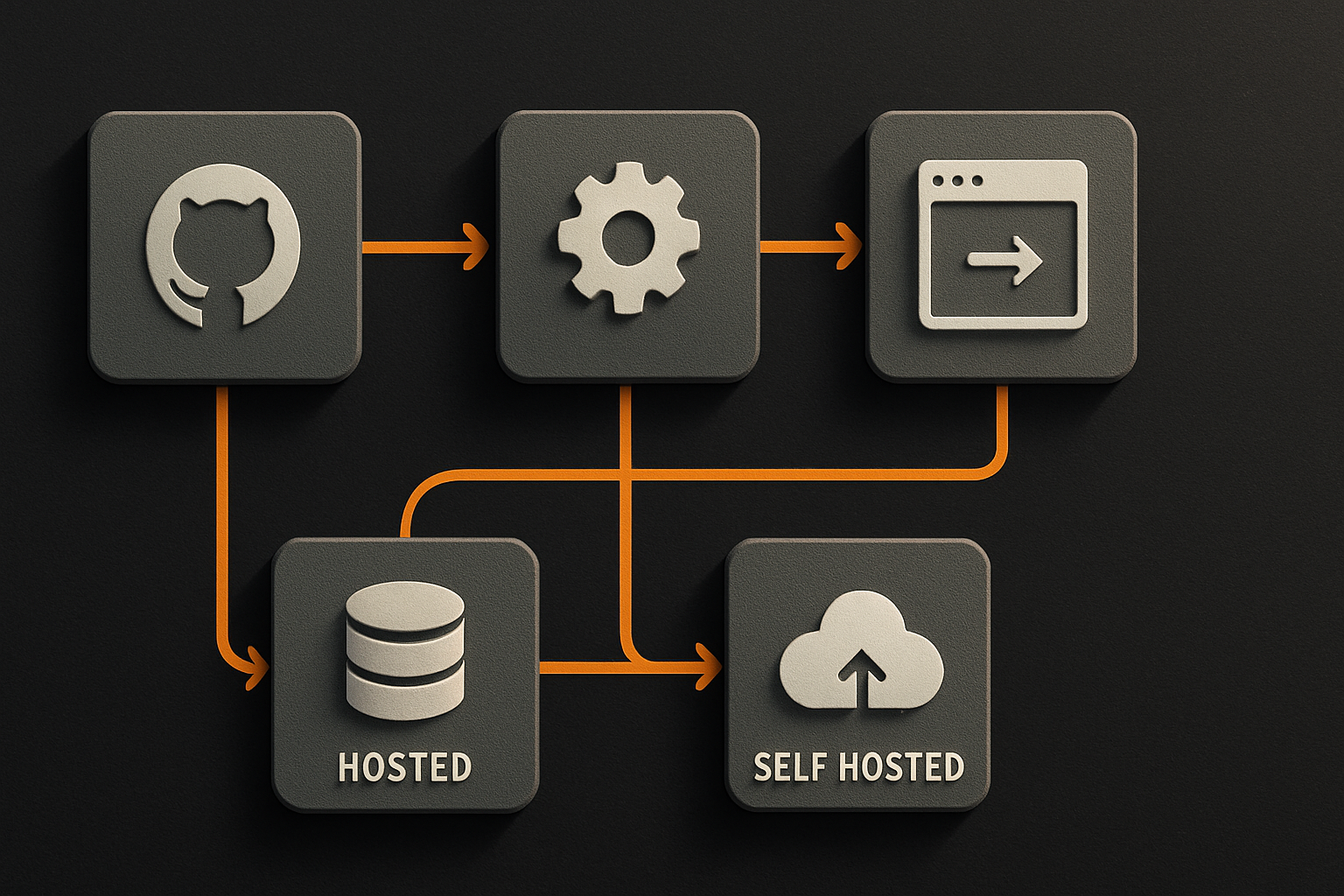
Why self-hosted runners don't save you
The most useful sentence in the Hacker News thread that day: "Even self hosted workers don't work during these outages." That's the whole story.
A self-hosted runner is not an island. It registers with GitHub, polls GitHub's scheduler for jobs, and reports status back to GitHub. When the scheduling layer is the broken thing — as it was on August 6 — your runner registers errors or hits rate limiting in lockstep with GitHub-hosted runners. The hardware you own is rented from a vendor whose API is the bottleneck.
| What teams expect | What actually happens |
|---|---|
| Own the box, control uptime | Box sits idle waiting for jobs that never arrive |
| Independence from GitHub's infra | Same scheduler, same rate limits, same errors |
| Faster, cheaper, safer | Runs that never start |
This isn't a bug. It's the architecture. The runner is a worker, not a brain. The brain is GitHub's, and on August 6 it was offline.
There's a corollary worth naming: even when the runner is healthy, the artifacts it produces are only as portable as your build pipeline. A nine-hour CI outage becomes a much bigger problem if your local dev environment can't reproduce what the runner was doing. Self-hosted runners shift where the work runs, not how coupled you are to a working scheduler.
11 production screens. Login, database, payments — all wired.
The SaaS Dashboard Kit ships everything already connected. Nothing to set up. Live demo at saas.otf-kit.dev.
The reliability picture beyond one bad day
One nine-hour outage reads as a fluke. The trend says otherwise.
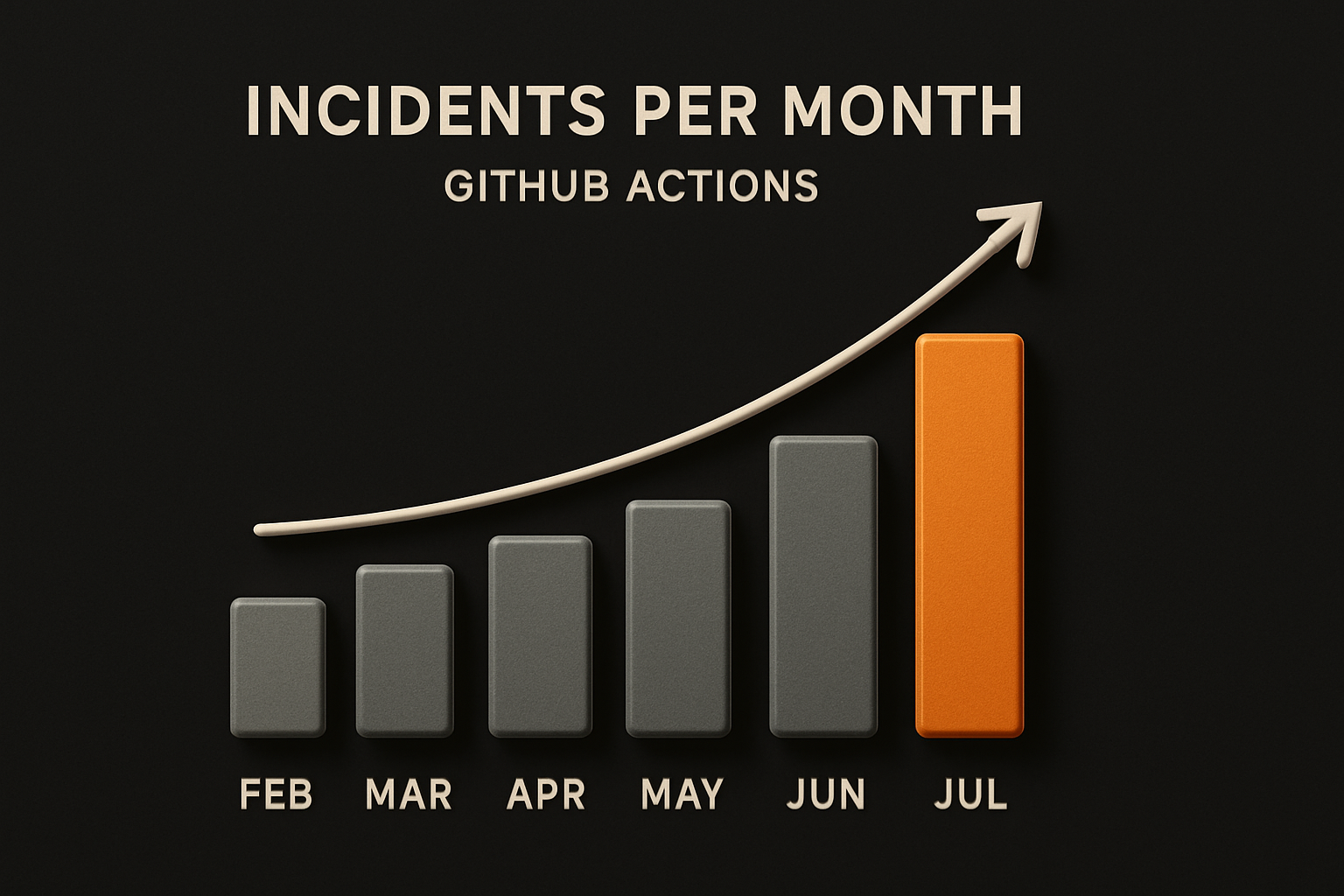
GitHub logged 26 incidents in July 2026, 23 in June, 23 in May. That's 70+ incidents in three months. February 2026 was worse: 37 incidents, roughly 1.3 per day. IncidentHub's tracking shows the platform averaged just six consecutive incident-free days at its best in April 2026 — the same month it posted roughly 86% monthly uptime.
86% uptime is not a typo. It's roughly two and a half days of downtime per month. For a CI/CD platform, that's the kind of number that used to be a deal-breaker and is now just... accepted. Treating GitHub Actions as a single point of failure for your release pipeline is a choice, not an inevitability.
What actually mitigates this
Diversification is the only real answer. The levers that matter, in rough order of effort:
Push the workflows that cannot fail elsewhere. Build a second pipeline. CircleCI, GitLab CI, Buildkite, or a Jenkins controller on your own metal — pick one and route your release and deploy jobs there. The day-to-day PR builds can stay on Actions; the deploy-to-prod job cannot.
Use self-hosted runners for the right things. They're great for jobs that are slow, stateful, or need hardware you control — GPU jobs, large test matrices, long integration suites, anything with a license server behind your firewall. They're a poor choice as "outage insurance," because they fail in the same failure mode as hosted runners.
Watch the scheduling layer, not your runner. A health check that pings your runner box tells you nothing useful. A health check that watches for stalled job assignments tells you everything. GitHub's status API is the source of truth:
# Quick check: is Actions degraded right now?
curl -s  \
  | jq '.status.indicator'   # expect "none" for healthy
Wire that into your alerting and your on-call gets a page before your engineers start opening tickets.
Cache and pre-build locally. The fastest CI run is the one that doesn't need CI. Cache aggressively, vendor heavy dependencies, and keep a documented local-build path so an engineer can ship a hotfix by hand if the pipeline is dead.
Stage the recovery. When the scheduler comes back, GitHub's queue floods. Self-hosted and hosted runners alike thrash. Plan for that. Stagger workflows, throttle concurrency, and don't expect "green again" to mean "fast again." On August 6, the first hour after the fix landed was almost as painful as the outage itself.
None of this is novel. All of it gets skipped because on a normal Tuesday the cloud is fine. August 6, 2026 was the Tuesday a lot of teams spent nine hours reading Hacker News.
The part that doesn't change when the platform does
The churn above the line — which CI vendor, which runner topology, which status page — is real and worth managing. The churn below the line is what kills you: components that render correctly in one build target and break in another, design tokens that drift across web and native, a UI layer that only behaves in the environment where you happened to test it last.
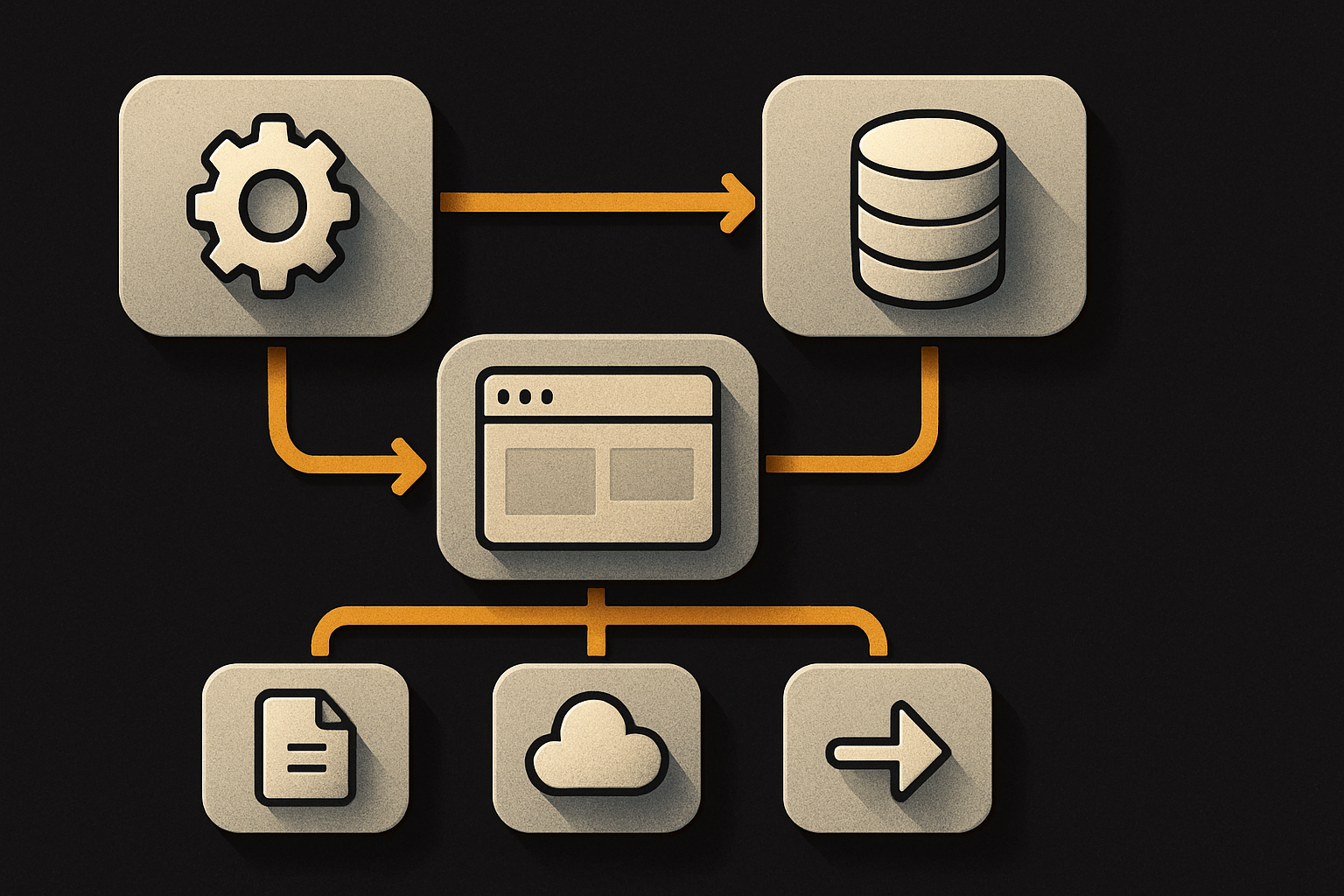
That's where the architecture pays off. If your component layer renders identically on web, iOS, and Android from one API, a nine-hour CI outage is an inconvenience rather than a release blocker — your local builds work, your cached artifacts are consistent, and the day the scheduler recovers, the components still match. You don't rebuild the UI to chase the platform.
GitHub will keep shipping reliability improvements, and some of them will land. The incident cadence will probably settle. It will not be zero. Plan for that, build for that, and stop treating your CI vendor's status page as your release calendar.
Self-hosted runners are a real tool. Use them for what they're good at, route the workflows that cannot wait around them, and stop pretending the scheduler outage is someone else's problem.
Ship the product, not the setup.
- 11 production screens — auth, billing, team, analytics, settings
- Real database, payments, and login — all wired on day 1
- AI configs pre-tuned so your agent extends instead of regenerates