
Cursor's Origin: A New GitHub Alternative for Modern Developers

Cursor shipped Origin this week and it's worth taking seriously. Not because GitHub is suddenly in trouble — Microsoft reshuffled internal teams back in January specifically to counter challenges from Cursor and Anthropic, and that defensive posture tells you the incumbent is paying attention. Origin is worth taking seriously because the second-place code host has been dormant for a decade, and the launch model Cursor chose — sync, not fork — is the right answer to a real pain.
For builders, what enables here is straightforward: a code host that knows what your editor already knows. Cursor's pitch is that Origin will eventually surface "agent-native features" akin to what already runs inside the Cursor editor. The early feature set is the essentials — repos, browsing, editing, pull requests — and the smart part is that none of it requires leaving GitHub. News of the launch was first reported by ITPro.
What Origin actually is
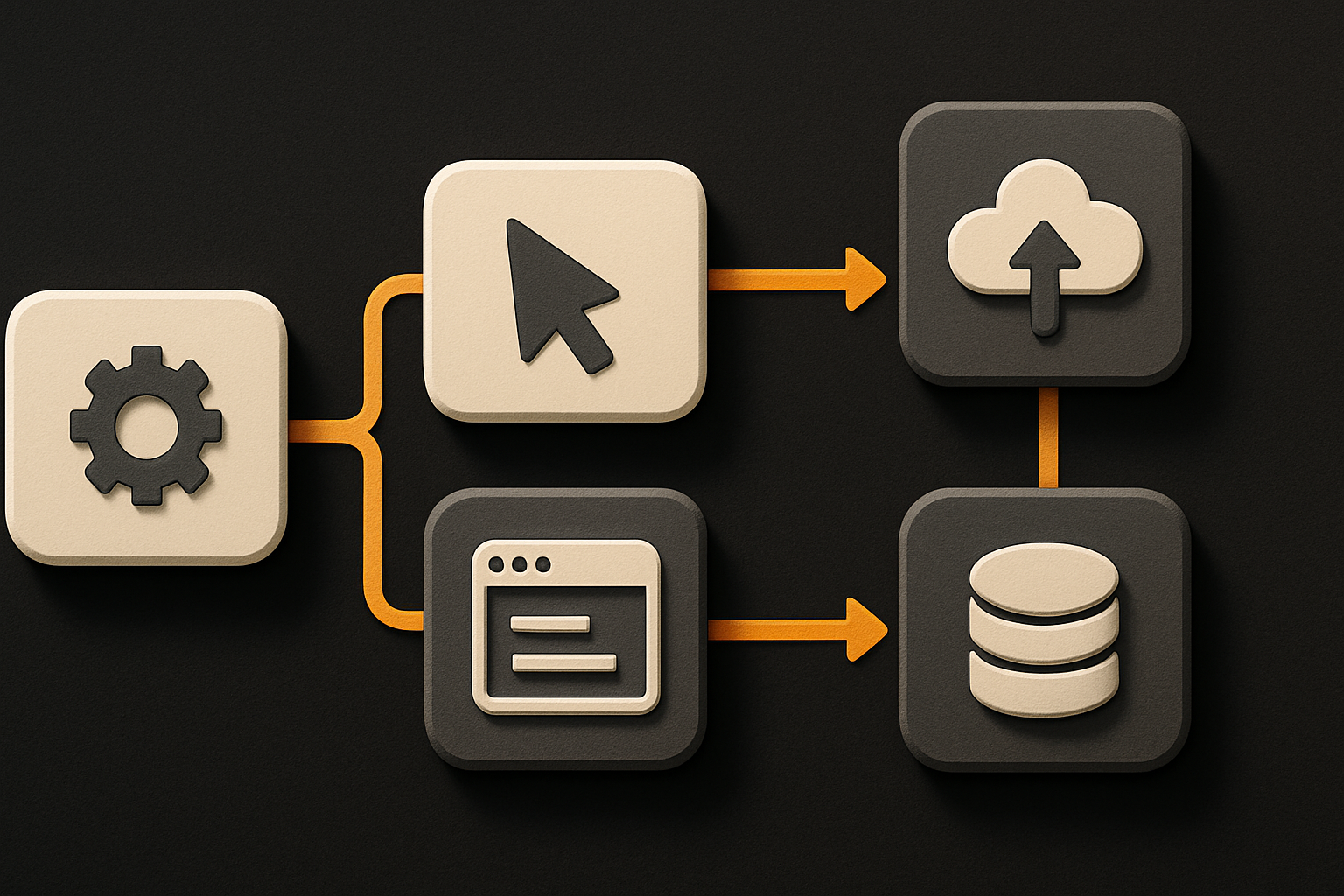
Origin is Cursor's code hosting platform, launched by the company behind one of the most-used AI coding editors on the market. Cursor describes it as "starting with the essentials" — code repositories, the ability to browse and edit codebases, and pull request handling. Same vocabulary as GitHub on purpose. This is feature parity at launch, not feature lead, and being honest about that framing is part of what makes the pitch credible.
The interesting structural decision is the sync model. Origin runs alongside GitHub rather than as a replacement. From Cursor's announcement:
"Your GitHub repos can sit alongside the ones Cursor hosts. Connect GitHub to Cursor, pick your org, and you'll see the repos you can sync. Select one and Cursor pulls it in."
That phrasing matters. Cursor isn't asking teams to migrate off GitHub. It's asking teams to let Cursor mirror a subset of orgs and repos into Origin, then use whichever surface fits the task at hand. You pick what gets synced. You can disconnect any repo at any time. The access model mirrors GitHub's exactly: anyone with read or write access to a synced repo can view it in Cursor too.
The "agent-native" bet
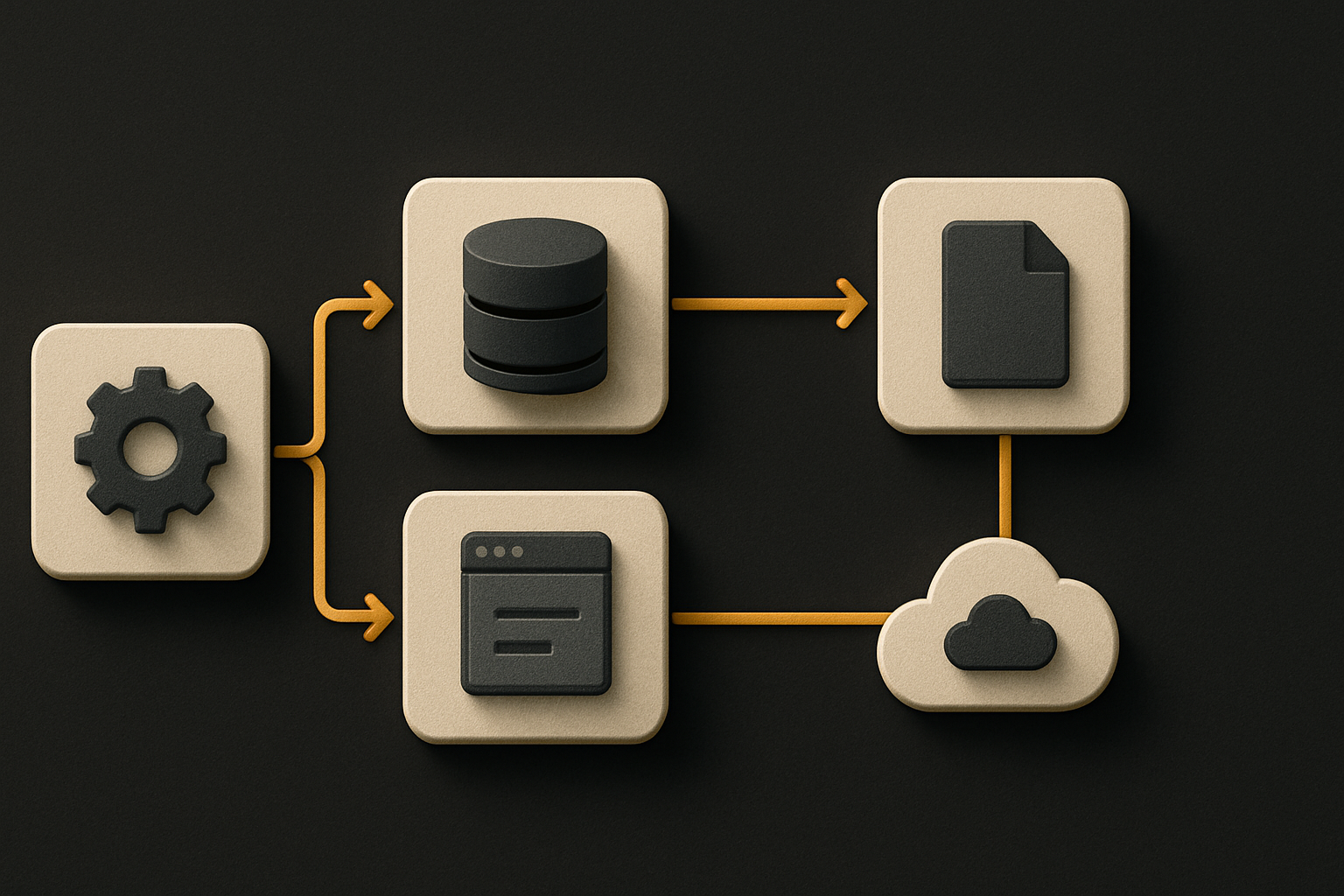
The headline Cursor keeps returning to is agent-native features. The phrasing is vague on purpose — this is a roadmap, not a release. The closest hint is that these features would be "akin to what it already offers through its agentic coding service," which is the same agentic engine that runs inside the Cursor editor.
Take that at face value and the bet becomes readable: the same model that proposes a refactor across files in your editor would also be able to propose changes across a repository's history, push them through PR review, and tie the work into CI feedback. That's a host-aware intelligence a generic code host can't easily ship because it doesn't have the agent context. Whether Origin actually delivers on that promise is the thing to watch. The launch surface doesn't ship any of it yet, and "listed, not final" applies to the entire roadmap until those features have a release date.
11 production screens. Login, database, payments — all wired.
The SaaS Dashboard Kit ships everything already connected. Nothing to set up. Live demo at saas.otf-kit.dev.
The integration story today
Origin's app ecosystem is the part that's already real, and it's where the launch does real work for teams. Cursor lists three live integrations, with more flagged as coming soon:
| Integration | What it does in Origin | Trigger point |
|---|---|---|
| Vercel | Preview deployment per PR, comment inline, merge ships to production | Repo → Apps tab → Vercel |
| Depot | Runs your existing GitHub Actions workflows inside Origin | Repo → Apps tab → Depot |
| Buildkite | Runs GitHub Actions workflows plus Buildkite-native pipelines | Repo → Apps tab → Buildkite |
The pattern is consistent. Bring your CI, bring your hosting, bring your deployment. Origin is a substrate, not a stack. That's a deliberate choice for a launch — being a thin layer over what teams already trust moves faster than being a full replacement on day one, and it sidesteps the "all or nothing" decision that kills most GitHub-alternative pitches.
Cursor's own framing on the Vercel integration is worth quoting:
"Connect Vercel from a repo's Apps tab and every PR gets a preview deployment where you can test and make comments. Merge, and it ships to production. For CI, connect Depot or Buildkite. Both run your existing GitHub Actions workflows and Buildkite also runs its native pipelines."
That is the entire integration story in three sentences, and it lands because none of it asks a team to change how they ship.
How to actually try Origin today
The launch is gated but reachable. Here are the actual steps, drawn from Origin's own flow:
- Sign up for a Cursor paid plan — Origin is rolling out to all paid tiers in early beta.
- In Origin, connect your GitHub account via OAuth. The OAuth scope is what Cursor needs to read your org and repo metadata.
- Pick the GitHub orgs and repos you want synced. Cursor shows you the list of repos you can sync from the org you select.
- Cursor pulls the selected repos in. They appear in your Origin dashboard next to any native Origin repos.
- Toggle Vercel, Depot, or Buildkite from the Apps tab of any repo you want wired up.
- Disconnect any repo at any time — sync is fully opt-in per repo, and revoking it removes the mirror.
Two things worth flagging that trip up early adopters:
// Things the launch surface does not yet promise
-  SAML / SCIM at GitHub parity
-  Audit logs beyond access mirroring
-  RBAC beyond what GitHub already enforced on the source repo
// Those land later, per the gaps in the announcement.
The gating caveat is also worth stating plainly: this is early beta. Expect rough edges. Expect one feature or two that looks like GitHub but ships slightly different behavior. That's the cost of being an early adopter — and it's also when a new platform's direction is still being shaped, which is the moment your feedback actually moves the roadmap.
When Origin is the right call
Origin is interesting to try now if any of these are true:
- You're already on a Cursor paid plan and want the editor and the host to share an agent layer.
- You ship Vercel preview deploys on most PRs and want the comment-and-deploy loop closer to the code surface.
- You want a real second source of truth on GitHub so a future vendor shift is one toggle, not a quarter-long migration.
It's not the right call yet if:
- Your team's audit trail, compliance posture, or supply-chain tooling is deeply tied to GitHub's identity layer.
- Your CI is bespoke or self-hosted in a way that no current integration satisfies.
- You need SAML, SCIM, or RBAC at parity today — none of that is promised at the launch surface.
The durable layer underneath
The part that does not move when Origin does, or when GitHub does, or when the next code host does, is what your users actually touch in your product. The same component rendering the same way on web, iOS, and Android — one API, one set of behaviors, one set of bugs you have to fix. That contract is the thing your team maintains; the tools underneath are swap-in, swap-out.

Cursor Origin is one of those tools. So is GitHub. So is the editor, so is the agent, so is the runner. Use whichever combination is the best fit this year — and keep the layer your product ships against insulated from any single one of them changing.
Ship the product, not the setup.
- 11 production screens — auth, billing, team, analytics, settings
- Real database, payments, and login — all wired on day 1
- AI configs pre-tuned so your agent extends instead of regenerates